Average Septic Pumping Cost in Georgia (2026)
Most residential pump-outs in Georgia fall between $350 and $600. The price depends mainly on tank size, but a few other factors can push it higher or lower. Here’s what we typically see across Bartow County, Paulding County, and the surrounding areas.
Septic Pumping Cost by Tank Size
Tank Size | Typical Cost Range |
|---|---|
750 gallon | $350 to $400 |
1,000 gallon | $375 to $450 |
1,250 gallon | $425 to $500 |
1,500 gallon | $475 to $600+ |
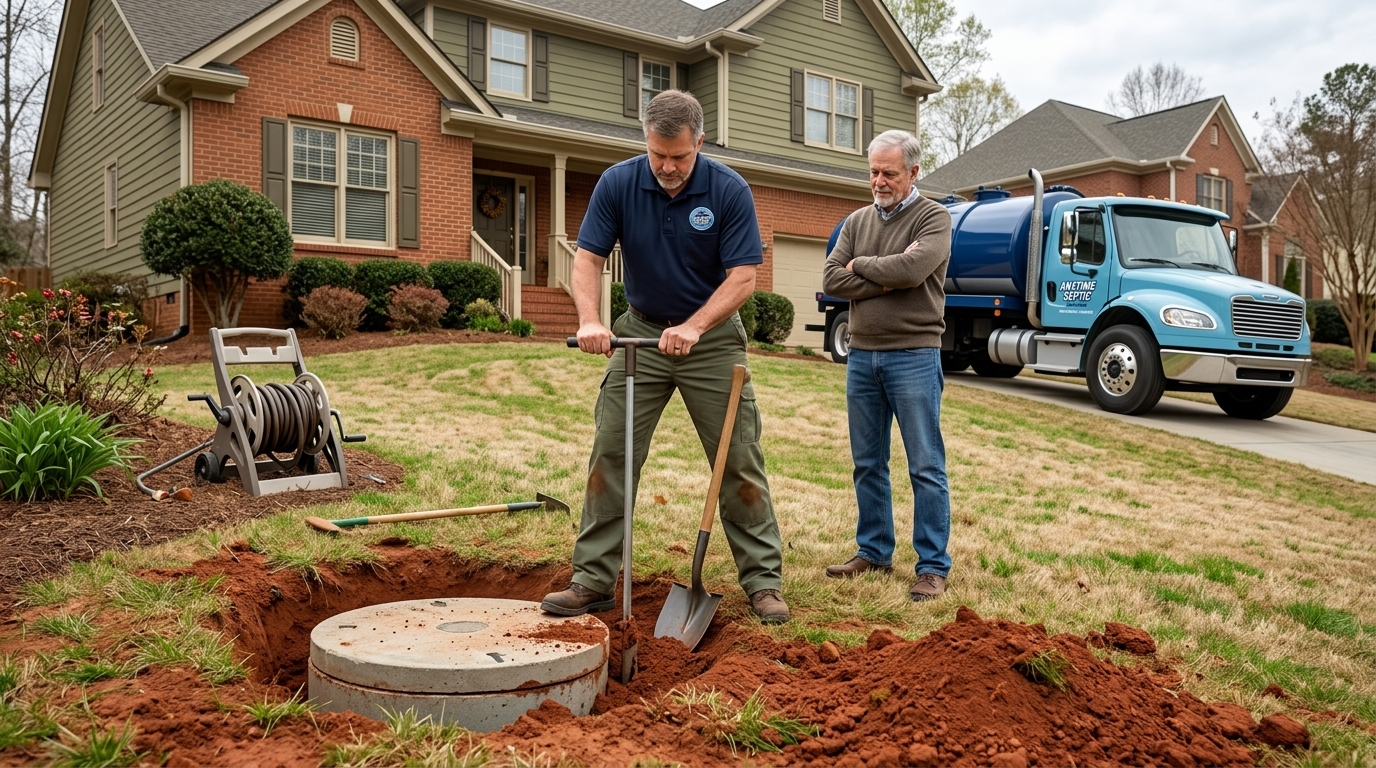
These are standard residential pump-out prices for a tank with an accessible lid. If we can drive the truck within a reasonable distance, locate the lid, and pump without complications, most jobs land in these ranges. Tanks larger than 1,500 gallons (commercial properties or older estates) cost more, and we quote those individually.
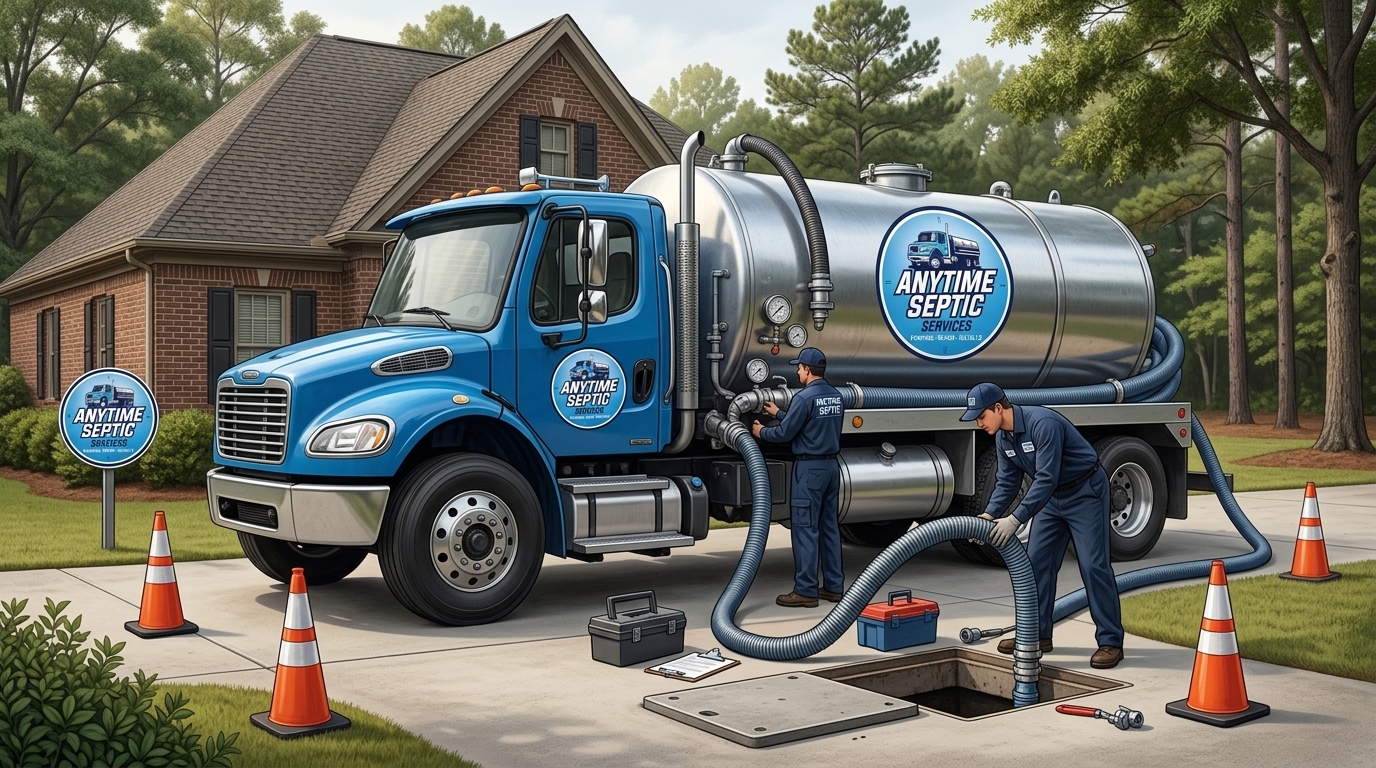
The 1,000-gallon tank is the most common size we see in our service area. If your home was built in the last 30 years, there’s a good chance that’s what you have.
What Changes the Price
Not every pump-out costs the same, even for the same tank size. Here are the factors that move the price up or down.
Tank Size
This one is straightforward. A bigger tank holds more waste, takes longer to pump, and uses more capacity on the truck. A 1,500-gallon tank costs more to pump than a 750-gallon tank every time.
Lid Accessibility
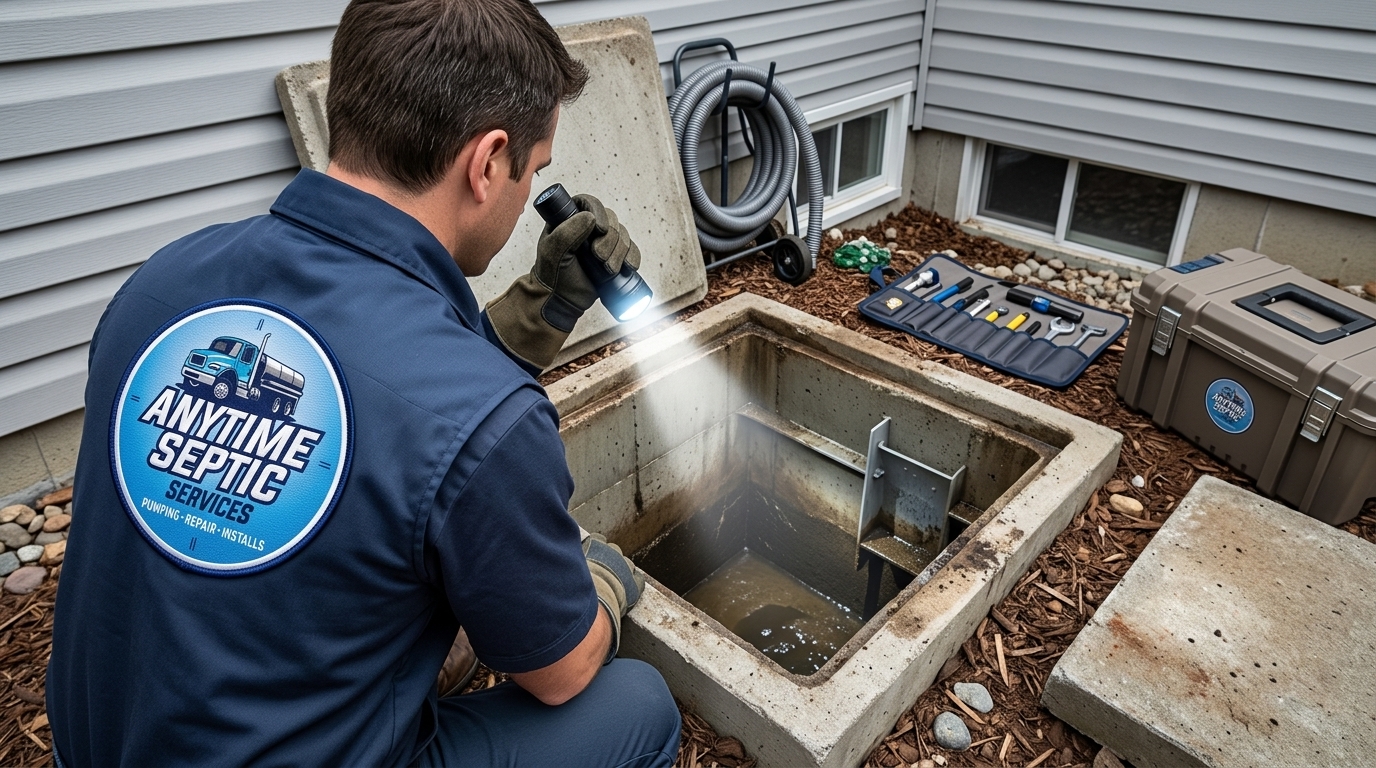
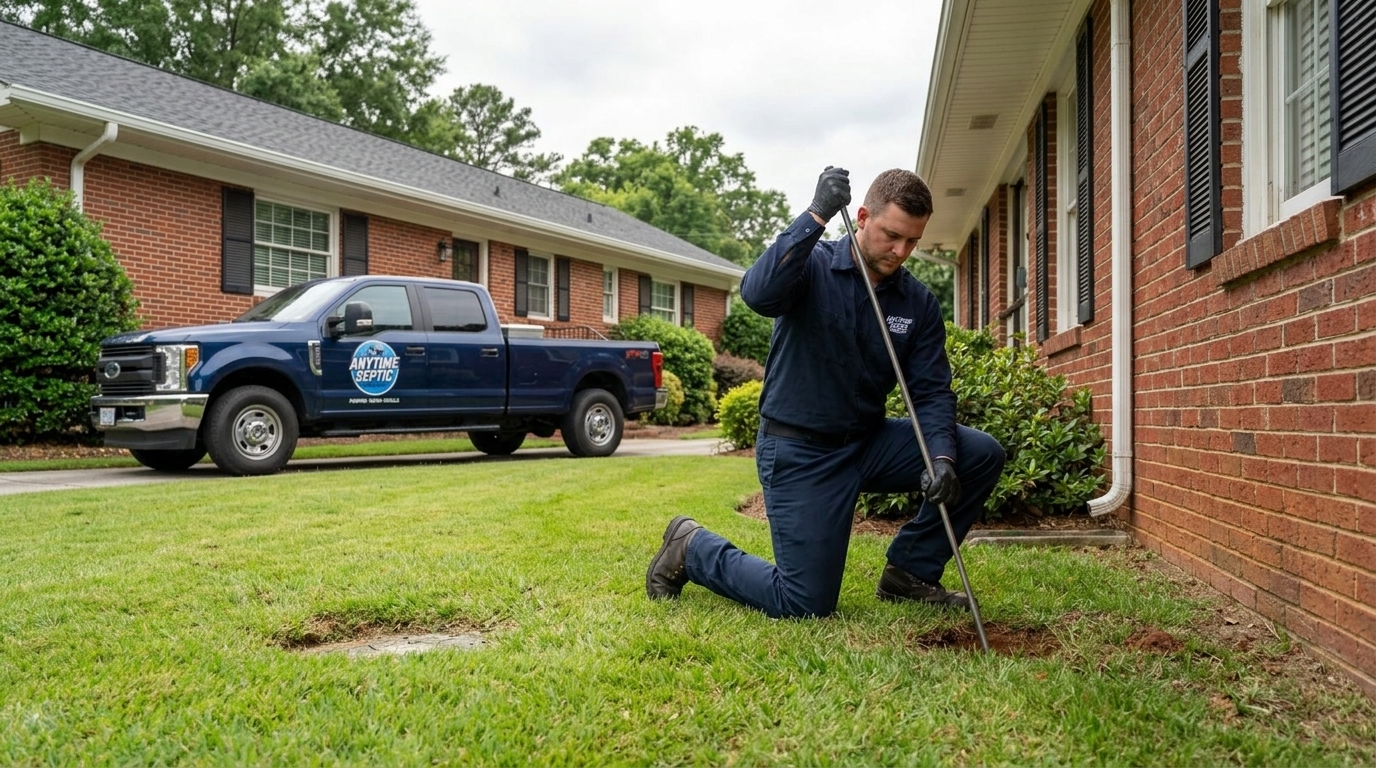
This is the factor most homeowners don’t think about, and it’s one of the biggest. If your tank lid is at ground level or has a riser installed, we can get to work right away. If the lid is buried 6 to 18 inches under dirt, we have to find it and dig it up first. That takes time, and time is money.
On a lot of the older properties around Dallas and Cartersville, the lids are buried deep with no markers. We’ve spent 30 minutes or more digging through Georgia red clay just to find the opening. That adds to the bill.

Distance and Location
Most septic companies factor in drive time. If your property is close to our home base, travel costs are minimal. If you’re 45 minutes out on a gravel road in a remote part of the county, that factors into pricing. In our service area around Dallas, Cartersville, Adairsville, and Taylorsville, drive time is rarely an issue. But it’s worth knowing that location plays a role.
When to Repair vs. Replace
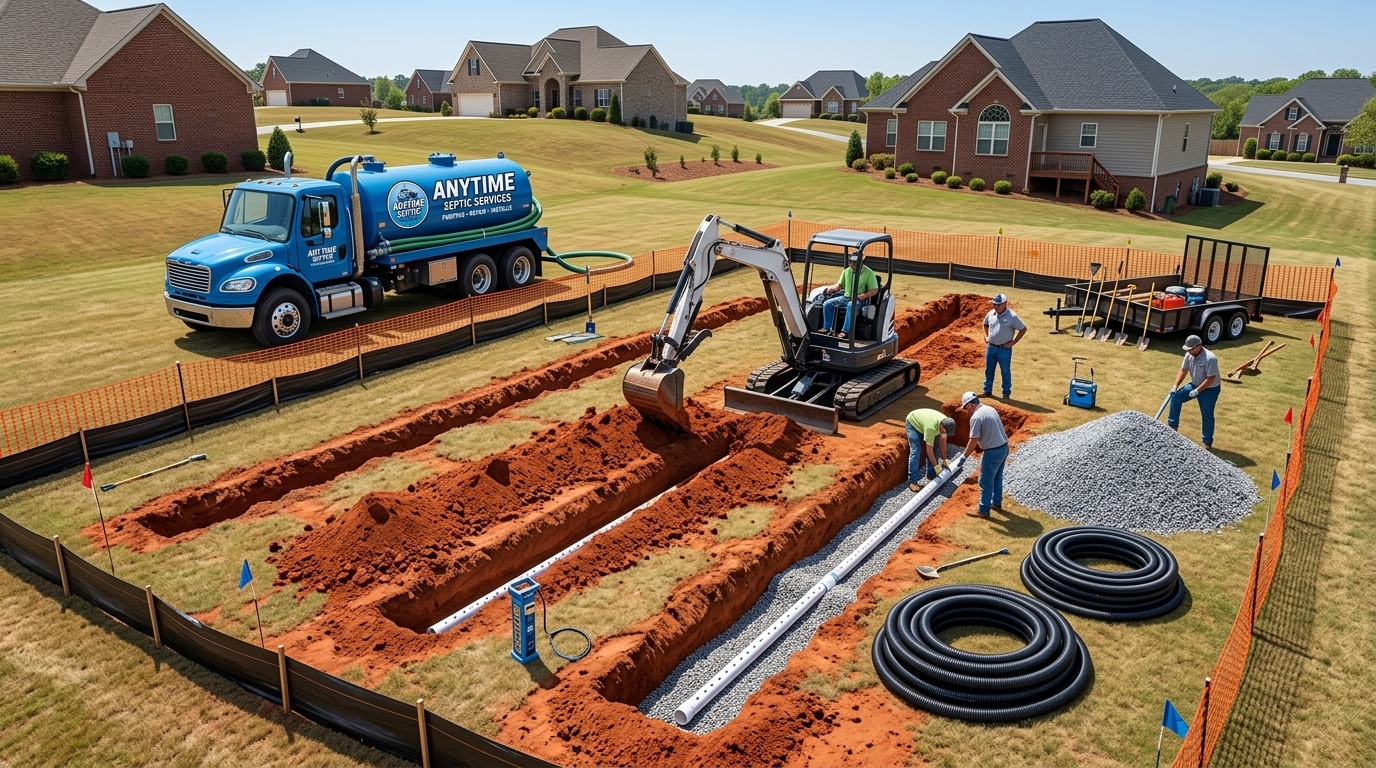
Repair usually works when:
- A single section of drain field pipe is damaged or root-clogged
- Baffles have failed but the tank is structurally sound
- A minor tank crack can be sealed
- The system is overloaded but can be brought into balance with usage changes and pumping
Replacement is usually necessary when:
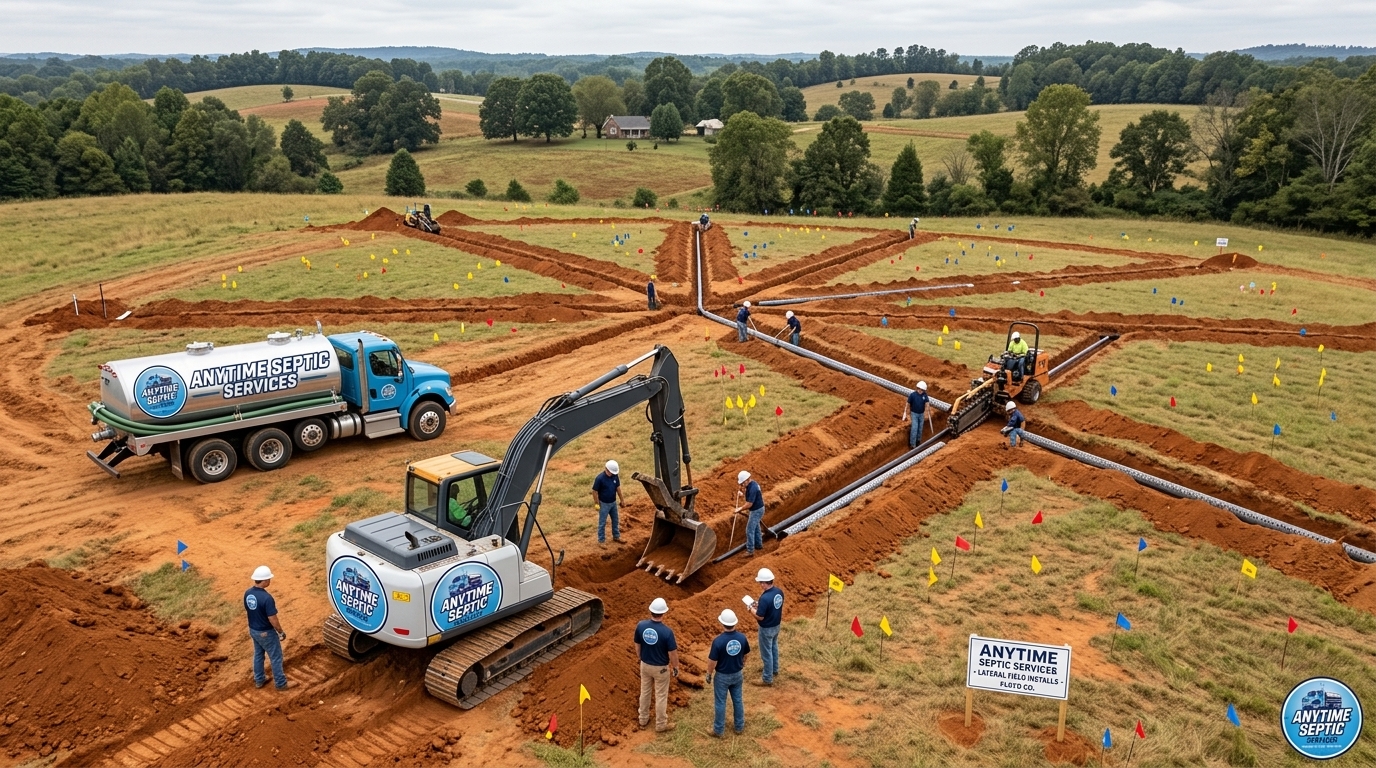
- The drain field soil is fully compacted beyond recovery
- The tank has major structural failure
- The system is undersized and can’t be modified
- Multiple components have failed at the same time
We always assess the full situation before recommending one over the other. A $1,500 repair is only worth doing if it actually solves the problem.
What’s Included in a Standard Pump-Out
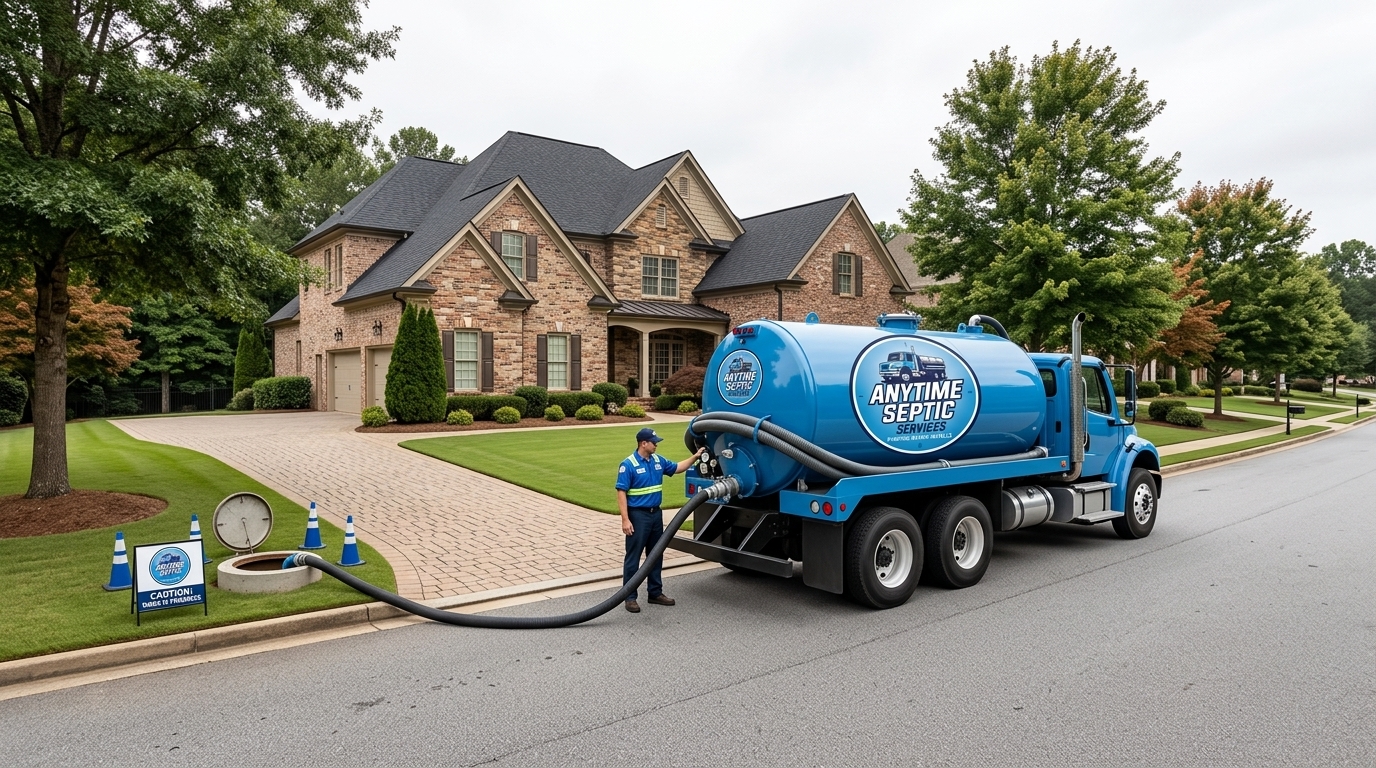
When you hire a reputable company for a septic tank pumping, you should get more than just a truck showing up and leaving. Here’s what our standard septic tank pumping and cleaning service includes:
- Complete pump-out of the tank. We pump all the liquid and solid waste from the tank until it’s empty.
- Basic visual inspection. While the tank is open and empty, we check the baffles, look at the inlet and outlet pipes, and note any visible damage or wear.
- Condition report. We let you know what we saw, whether the tank looked healthy, and if there’s anything you should keep an eye on before the next pump-out.
- That’s what a pump-out should cover. If a company pulls up, pumps for 10 minutes, and drives off without telling you anything about the condition of your tank, you’re not getting your money’s worth.
What Costs Extra
Some things fall outside a standard pump-out. These aren’t surprise charges if you know about them ahead of time.
Digging to Find the Lid
If your tank lid is buried and you don’t know where it is, we may need to locate and excavate it. This adds labor time to the job. Some companies charge a flat fee for this, others charge by the hour.
Riser Installation
A riser brings your tank lid up to ground level so you never have to dig again. This is a one-time cost, usually $250 to $400 depending on the depth, that saves you money on every future pump-out. We install risers regularly and always recommend them.
Repairs Found During Pumping
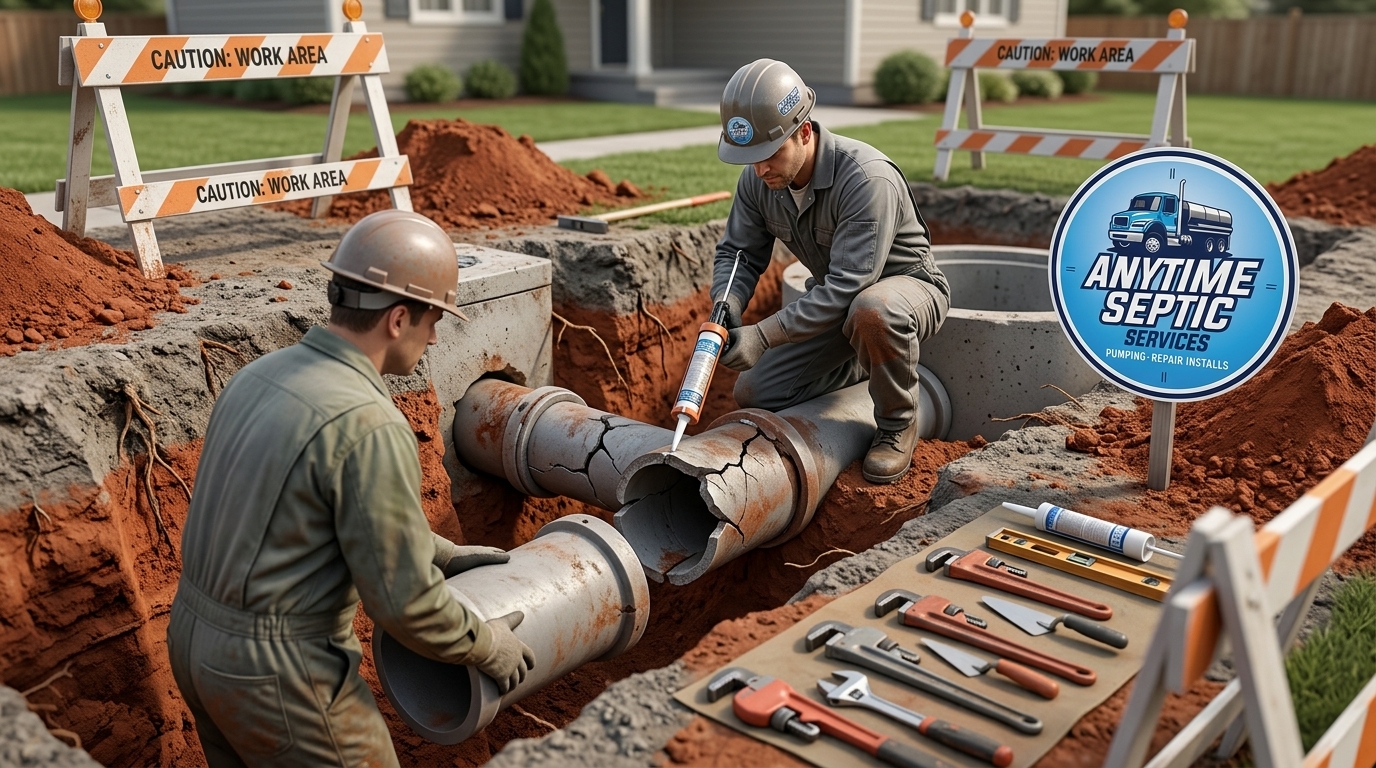
If we open the tank and find a cracked baffle, a collapsed inlet pipe, or other damage, repairs are quoted separately. We’ll explain what we found, what it means, and what it costs to fix. We don’t start any repair work without your approval.
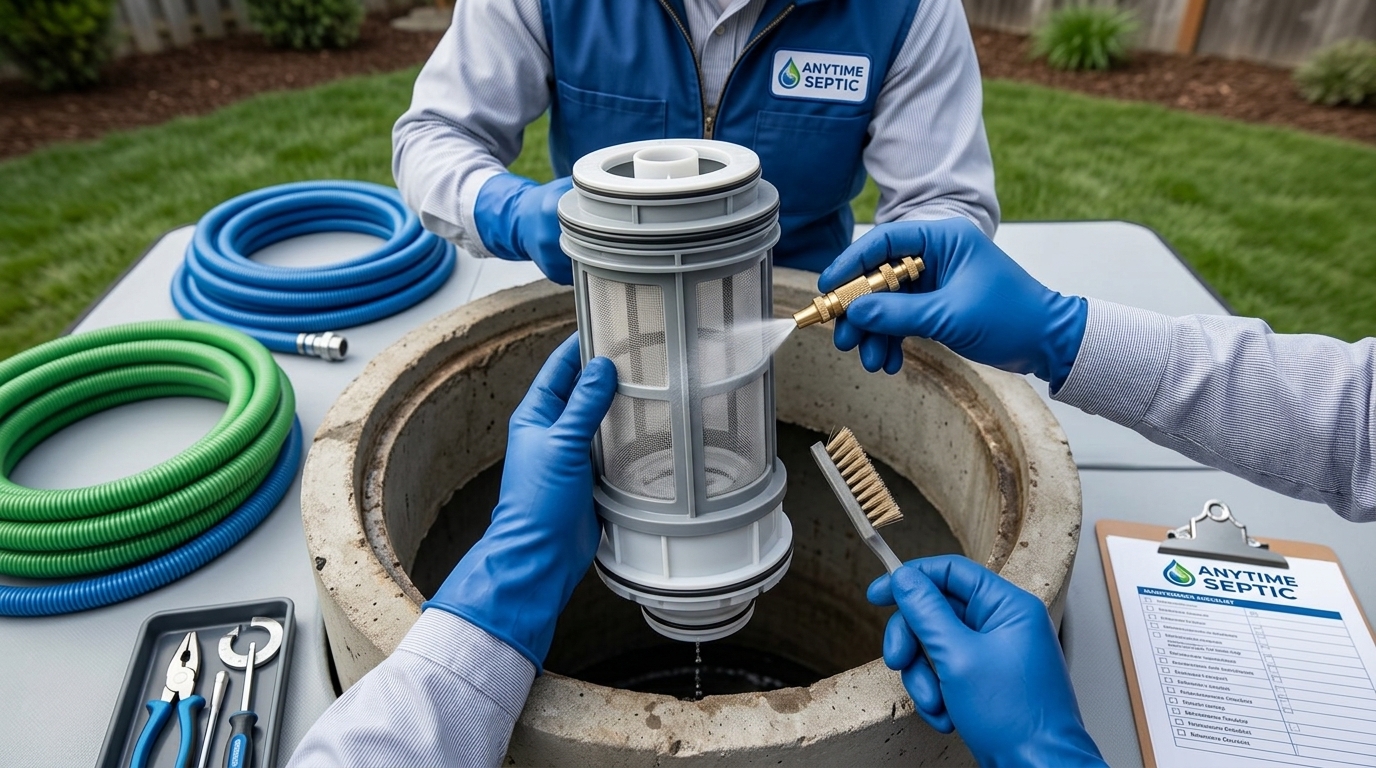
Filter Cleaning or Replacement
Some newer systems have an effluent filter at the outlet. Cleaning or replacing that filter is usually a small add-on, but it’s something to be aware of.
Why Prices Vary Between Companies
You might call three septic companies in Georgia and get three different prices. That doesn’t mean someone is ripping you off. Here’s why prices differ.

Equipment and overhead. A company running newer vacuum trucks with higher capacity has different costs than someone with an older rig. Fuel, insurance, truck payments, and disposal fees all factor in.
Crew size. Some companies send a two-person crew. Others, like us, run lean with experienced technicians who know what they’re doing. A bigger crew means higher labor costs that get passed along.
What’s included. The cheapest quote might be a pump-and-go operation with no inspection and no report. A slightly higher price that includes a thorough check of your system is a better value in the long run.
Disposal fees. Every load of septage has to be taken to an approved disposal facility, and those facilities charge a tipping fee. Fees vary by location, and companies in different parts of the state pay different rates.
We always recommend getting at least two quotes and asking what’s included. Price matters, but so does the quality of the work and the information you get back about your system.
How to Save Money on Septic Pumping
You can’t avoid pumping your tank, but you can keep the cost on the lower end.
Install a Riser
This is the single best investment for long-term savings. A riser puts your tank lid at ground level, so there’s no digging on future pump-outs. You pay for it once, and it saves you $50 to $150 or more on every service call after that. On the older properties around Taylorsville and Adairsville where lids tend to be buried deep, a riser pays for itself in two or three visits.
Stay on Schedule
A tank pumped every 3 to 5 years is a routine job. A tank that’s gone 12 years without service is harder to pump, may need extra work, and sometimes reveals problems that could have been caught earlier. Staying on a regular schedule with your pumping keeps each visit simple and predictable. If you’re not sure how often your tank needs pumping, our guide on how often to pump your septic tank breaks it down by household size and tank size.

Know Where Your Tank Is
If you can show the technician exactly where the lid is when they arrive, you save time and money. Mark the location with a small landscape stone, a stake, or just a note in your phone with a photo. Anything that keeps us from having to probe and dig saves you on the bill.
Be Home During the Service
We can pump a tank without the homeowner present, but being there means you can point out the lid, ask questions, and hear the inspection results in person. It keeps the job efficient and gives you a chance to learn about your system.
Pumping Cost vs. Repair Cost: Why Maintenance Pays Off
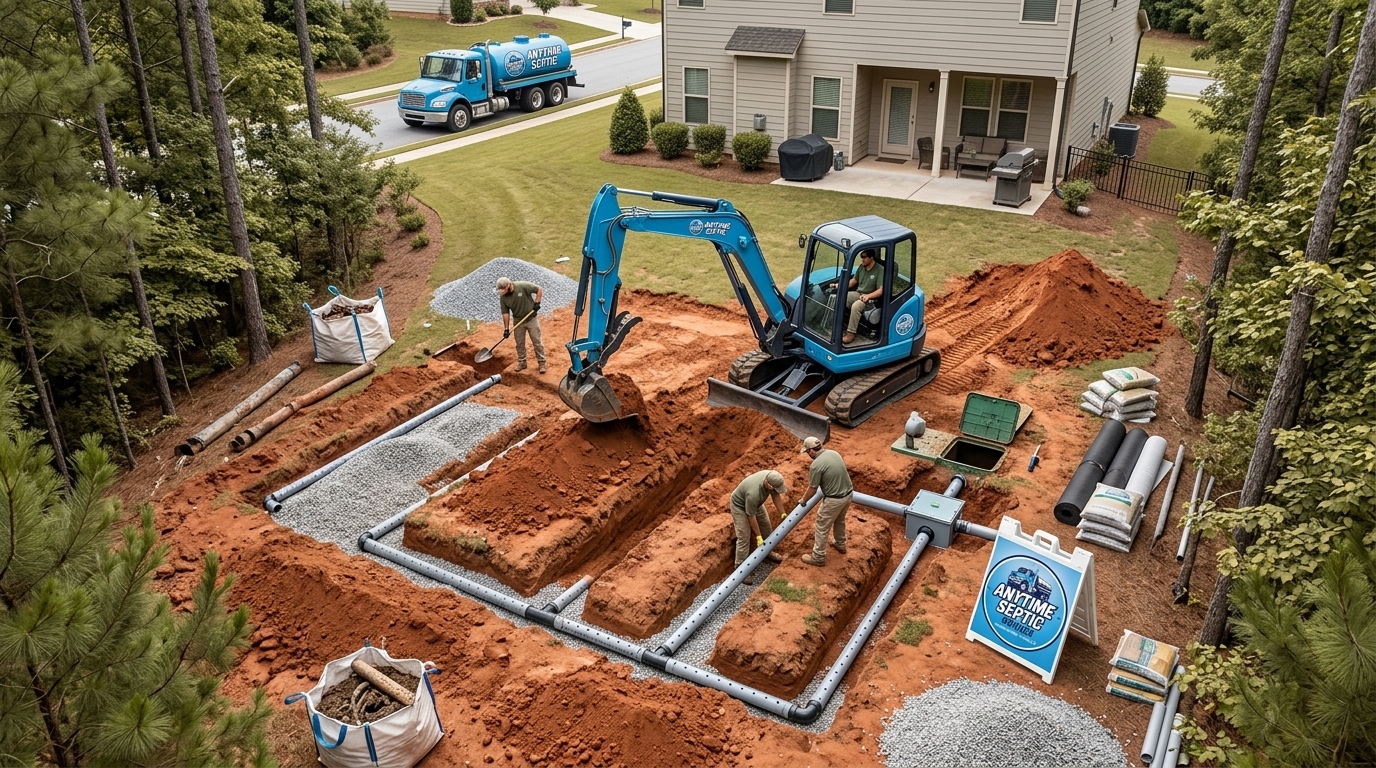
Here’s the comparison that puts everything in perspective. A routine pump-out costs $350 to $600. A failed drain field costs $5,000 to $15,000 or more for a full drain field repair or replacement.
Last year, we got a call from a homeowner outside Dallas who had sewage surfacing in the backyard. They hadn’t pumped the tank in over 10 years. Solids had pushed past the outlet baffle, traveled into the drain field lines, and clogged everything. The drain field was beyond repair and had to be replaced. The final cost was over $12,000, plus the yard looked like a construction zone for weeks.
Three or four pump-outs over that same 10-year span would have cost a total of around $1,500 to $2,000.