678-848-4365
service@anytime-septic.com
Business Hours Mon - Sun | Open 24 Hours

Septic to Sewer Conversion Services in Taylorsville, GA

When municipal sewer lines become available in Taylorsville, property owners face an important decision about transitioning from their existing septic systems. Converting from septic to sewer offers long-term benefits for homeowners and businesses throughout Bartow County. Anytime Septic provides professional sewer conversion Taylorsville services that help property owners make this transition smoothly and efficiently.

Understanding the shift from private wastewater management to public sewer infrastructure requires careful planning and professional execution. The conversion process involves more than simply connecting to available lines. Property owners must consider permit requirements, system decommissioning procedures, and proper installation techniques that protect their investment.

SCHEDULE AN APPOINTMENT

Understanding Septic to Sewer Conversion in Taylorsville

Converting from a private septic system to municipal sewer infrastructure represents a significant improvement in property wastewater management. This transition eliminates the need for on-site treatment and disposal, connecting your property directly to the city sewer network. Understanding what the conversion process entails helps property owners make informed decisions about their wastewater needs.

The decision to pursue sewer line connection Taylorsville services often comes when municipalities expand infrastructure into previously rural areas. Local governments typically require conversions within specific timeframes once sewer lines become available in a neighborhood. Properties near expanding city limits frequently encounter these mandates as urban services extend into surrounding communities.

What Septic to Sewer Conversion Involves

Making the switch from septic to municipal sewer requires several coordinated steps. Each phase of the conversion process demands attention to detail and compliance with regulations.

Initial Property Assessment and Planning

Professional technicians evaluate your current septic system location, property topography, and distance to municipal connection points. This assessment determines the most efficient route for new sewer lines and identifies any obstacles that might affect installation costs or timelines.

Permit Acquisition and Regulatory Compliance

Converting to city sewer requires obtaining proper permits from local authorities and the county health department. The process includes submitting site plans, paying connection fees, and ensuring all work meets Georgia environmental regulations and Bartow County building codes for wastewater infrastructure.

Septic System Decommissioning

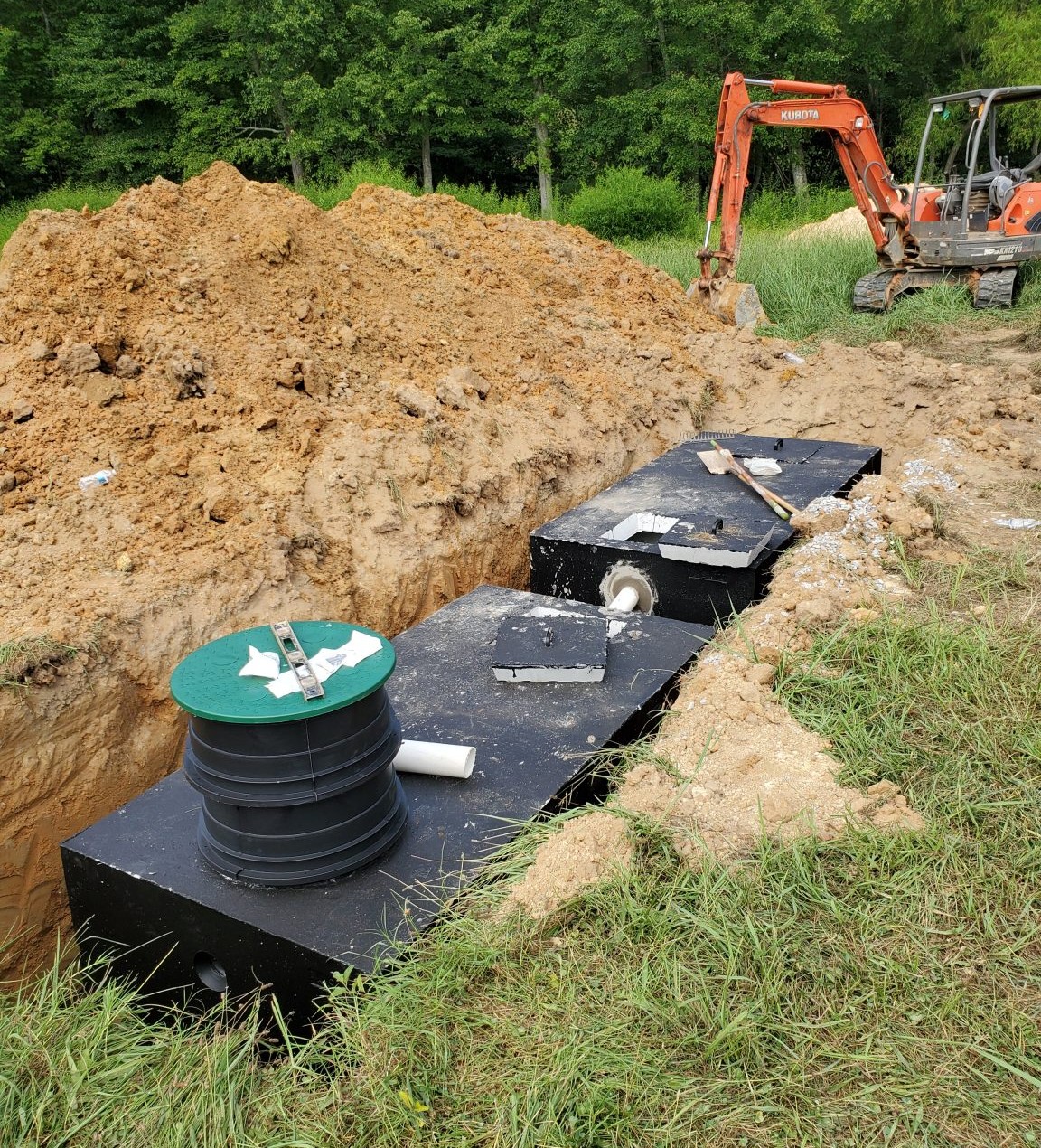
Existing septic tanks must be properly abandoned according to environmental protection guidelines. This involves pumping all remaining contents, breaking holes in the tank bottom for drainage, and filling the cavity with clean sand or gravel to prevent future collapse and groundwater contamination.

Sewer Line Installation and Connection

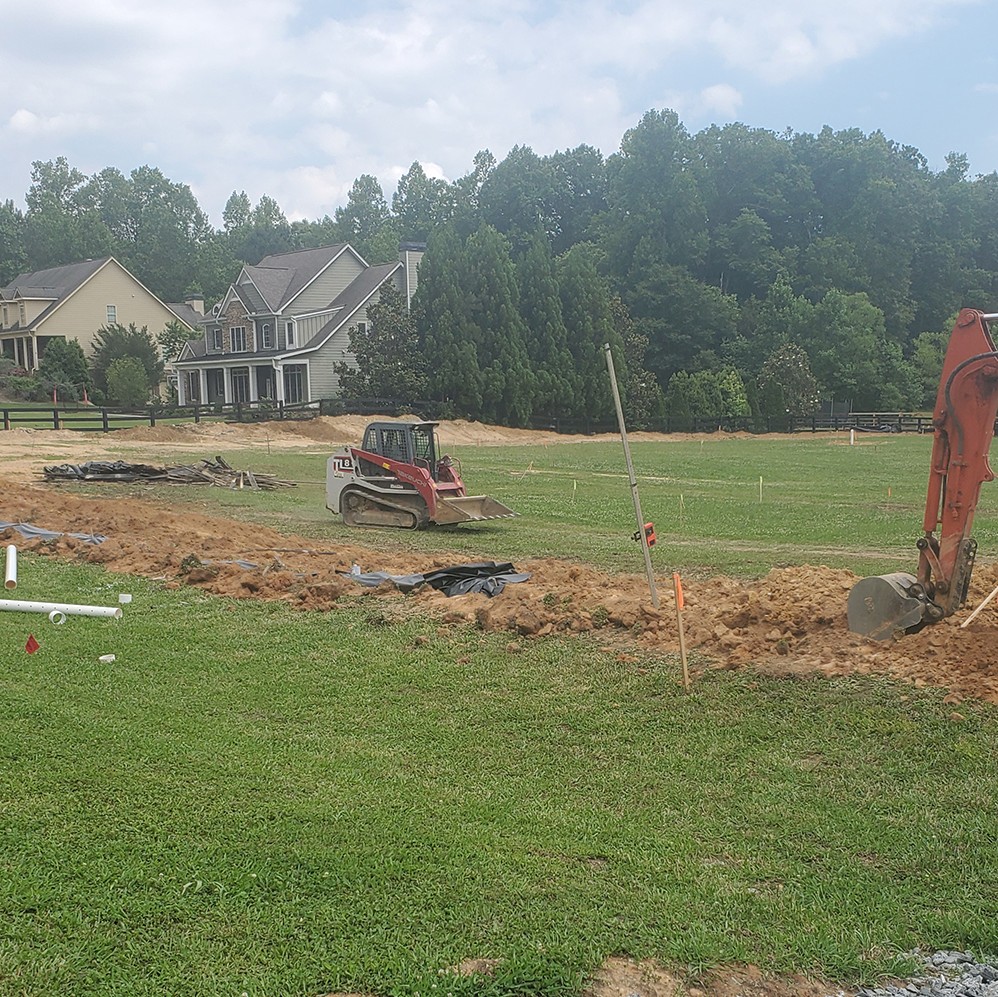
Crews excavate a trench from your home’s existing plumbing to the municipal tap point. New piping installation follows precise grade requirements to ensure proper flow, with connections tested for leaks before backfilling and restoration of affected landscaping areas.

Converting from private septic systems to public infrastructure transforms how your property manages wastewater. The change eliminates regular pumping requirements and reduces long-term maintenance concerns. Professional installation protects your investment while ensuring seamless integration with municipal services that serve the Taylorsville community.

Affordable Septic Installation 1152x1536 2
SCHEDULE AN APPOINTMENT

The Conversion Process: From Start to Finish

Transitioning from a septic system to city sewer infrastructure follows a systematic approach that ensures quality results. Each project phase builds upon the previous step, creating a comprehensive solution for your property’s wastewater needs. Understanding this workflow helps property owners know what to expect during their conversion.

The timeline for completing a sewer conversion varies based on property-specific factors and municipal requirements. Weather conditions, soil composition, and the distance between your home and the connection point all influence project duration. Most residential conversions take several days to complete once permits are secured and materials are delivered to the site.

Home Image 1

Steps in the Sewer Conversion Process

Professional teams follow established procedures that protect both your property and the environment. These systematic approaches ensure reliable results that meet all regulatory standards.

Site Evaluation and System Design

Technicians map underground utilities, assess soil conditions, and calculate proper pipe slope requirements for gravity flow. This planning phase identifies the optimal path for new sewer lines while avoiding conflicts with existing infrastructure like water mains, gas lines, or electrical conduits.

  •  

Excavation and Trench Preparation

Equipment operators dig trenches following the planned route with precise depth and width specifications. The excavation process protects existing landscaping where possible and creates stable working conditions for pipe installation, with trench walls properly supported to prevent collapse during construction.

Pipeline Installation and Testing

Crews lay new sewer pipes with proper bedding material, ensuring each joint connects securely without gaps or misalignment. After installation, the system undergoes pressure testing or camera inspection to verify leak-free operation before any sections are covered with backfill material.

Connection to Municipal Infrastructure

Licensed plumbers complete the final tie-in to city sewer mains according to utility department specifications. This critical step requires coordination with local authorities who inspect the connection, verify proper installation, and activate service for your property’s integration into the public system.

Throughout the conversion process, professional teams maintain clear communication with property owners. Daily updates keep you informed about progress, any unexpected challenges, and projected completion dates. This transparency ensures you understand each phase as your property transitions from septic dependence to reliable municipal sewer service.

CALL US AT
TO SPEAK WITH OUR CERTIFIED SEPTIC TECHNICIAN
Anytime Septic Truck

Benefits of Converting to Sewer in Taylorsville

Transitioning from septic to sewer delivers immediate and long-term advantages for property owners across Taylorsville. The change reduces maintenance demands while improving property functionality and market appeal. Municipal sewer connections provide reliability that private septic systems cannot match, especially as properties age and neighborhood density increases.

Property values often increase when homes gain access to city sewer infrastructure. Potential buyers recognize the reduced maintenance requirements and lower long-term operating costs associated with municipal services. Real estate transactions become simpler without the need for septic inspections or concerns about system capacity and drain field conditions.

Key Advantages of Sewer Conversion

Making the switch from private wastewater treatment to public infrastructure creates multiple benefits. These improvements affect daily living, property management, and environmental protection.

Elimination of Septic Maintenance Requirements

Municipal sewer connections remove the need for routine septic tank pumping every three to five years. Property owners no longer face unexpected repair costs for failed drain fields, damaged tanks, or saturated soil absorption areas that can cost thousands of dollars to remedy.

Increased Property Usability and Expansion Options

Sewer access eliminates restrictions on household water usage and permits easier home additions or renovations. Without septic system limitations, families can install additional bathrooms, larger appliances, or guest quarters without worrying about overwhelming on-site treatment capacity or soil absorption rates.

  •  

Environmental Protection and Groundwater Safety

Public sewer treatment plants process wastewater more effectively than individual septic systems, reducing the risk of groundwater contamination. This improvement protects drinking water sources and eliminates concerns about failing septic systems leaching bacteria or nutrients into soil and nearby water bodies.

Compliance with Municipal Requirements

Converting to city sewer ensures compliance with local ordinances that mandate connection when infrastructure becomes available. Meeting these requirements avoids potential fines or enforcement actions while aligning your property with community standards for wastewater management throughout the Taylorsville area.

Homeowners who complete conversions often report peace of mind knowing their wastewater disposal operates reliably regardless of weather, soil conditions, or household usage patterns. The transition represents an investment in property infrastructure that pays dividends through reduced operating costs and improved functionality. Municipal sewer service provides consistent performance that supports modern household demands.

Drainfieldinstallationnearme
CALL US AT
TO SPEAK WITH OUR CERTIFIED SEPTIC TECHNICIAN
Anytime Septic Truck

Why Choose Anytime Septic for Your Conversion Project

Selecting the right contractor for septic to sewer conversion affects both project outcomes and your overall experience. Anytime Septic combines technical expertise with customer-focused service that makes complex projects manageable. Our team handles conversions throughout Bartow County with attention to quality that protects your property investment.

Since 2014, brothers Toby and Jason Evans have built Anytime Septic on principles of honest service and professional workmanship. Our family-owned approach means we treat every project as if we were working on our own properties. This commitment drives us to exceed expectations while maintaining competitive pricing and realistic timelines.

Septic Repair Image 2

Our Approach to Sewer Conversion Services

Professional conversion work requires specialized knowledge and equipment. Our comprehensive service delivery ensures quality results from planning through completion.

Licensed and Experienced Installation Teams

Our technicians hold proper certifications and undergo continuous training on current installation methods and regulatory requirements. Years of experience working in Taylorsville and surrounding communities give us insight into local soil conditions, permitting processes, and utility department expectations that affect project success.

Complete Permit Management and Coordination

We handle all paperwork, permit applications, and inspections required for your conversion project. This includes coordinating with Bartow County authorities, scheduling required inspections, and ensuring all work meets current codes without requiring property owners to navigate complex regulatory processes independently.

Quality Materials and Proven Installation Methods

Every project uses durable piping, fittings, and connection materials that meet or exceed industry standards. Our installation techniques follow manufacturer specifications and plumbing best practices that ensure long-term reliability and leak-free operation throughout your sewer line’s service life.