Here at Anytime Septic, my father, my brother, and I work with Hiram homeowners every week. This article covers the maintenance habits that keep your septic system running right year after year. If you’re looking for information on pumping schedules and warning signs, we have a separate post on that: what every Hiram homeowner should know about septic pumping.
This guide is about everything else. The daily habits, the yard decisions, and the seasonal checkpoints that protect your system between pump-outs.
Protect Your Drain Field
Your drain field does the final work of filtering wastewater into the soil. If the field gets damaged, the whole system stops working. A lot of the drain field problems we see in Hiram come down to homeowners doing something on top of or near the field without knowing what was underneath.
Keep Heavy Weight Off the Field
Never park vehicles, trailers, or heavy equipment over your drain field lines. The pipes and gravel trenches below the surface are designed to support the weight of soil and grass. A truck, a camper, or even a loaded riding mower can compact the soil and crush the pipes underneath.
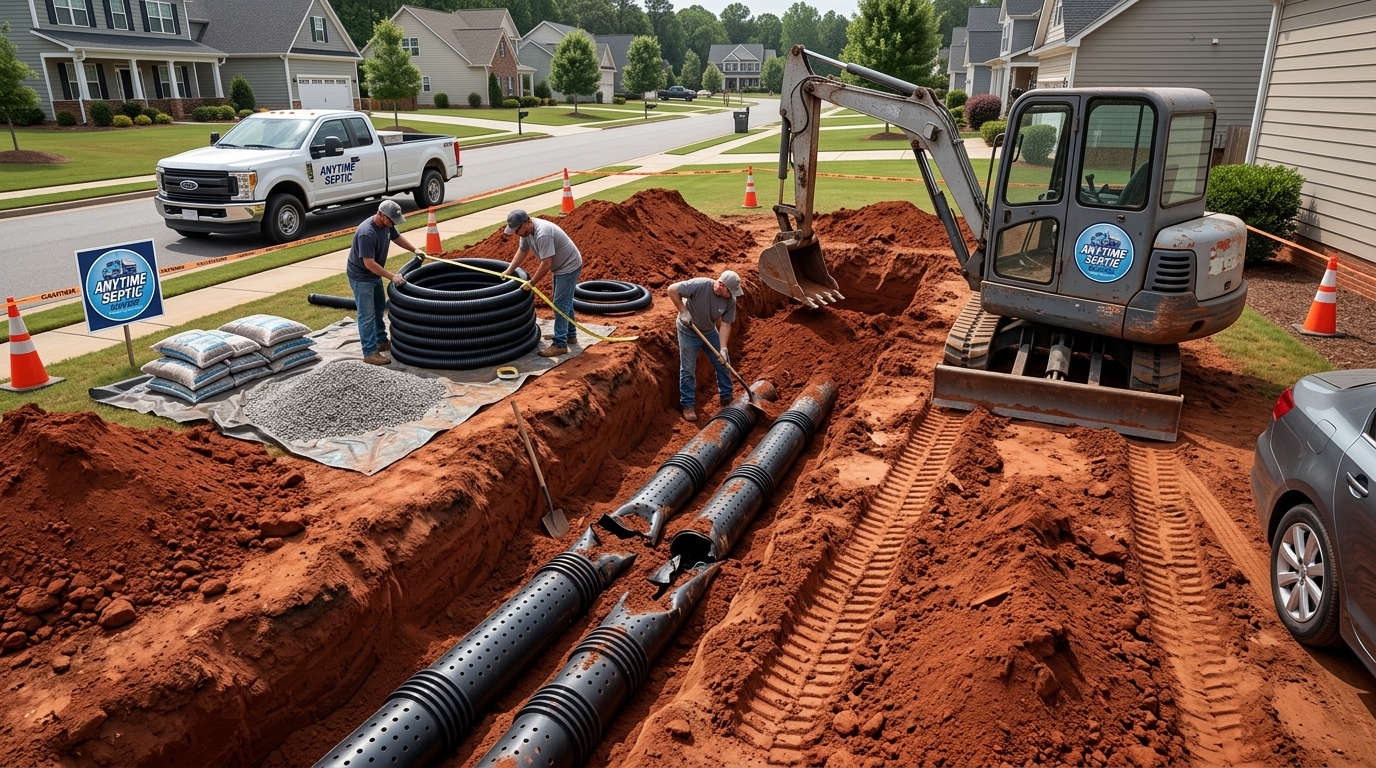
We’ve been called out to properties along the Highway 92 corridor where someone parked a boat or a work truck on the field for months. By the time they moved it, the ground had compacted so much that the field couldn’t drain. That kind of damage usually means drain field repair and replacement.

Watch Your Trees and Landscaping
Tree roots will find your drain field. They grow toward moisture and nutrients, and your field has both. Keep trees and deep-rooted shrubs at least 30 feet away from the drain field. Willows, sweetgums, and silver maples are the worst offenders, and we see all three across Hiram and the surrounding neighborhoods.
Grass is the best ground cover over drain field lines. It holds the soil, absorbs moisture, and doesn’t send deep roots into the pipes. Anything beyond grass is a risk.
Don’t Add Water to the Field Area
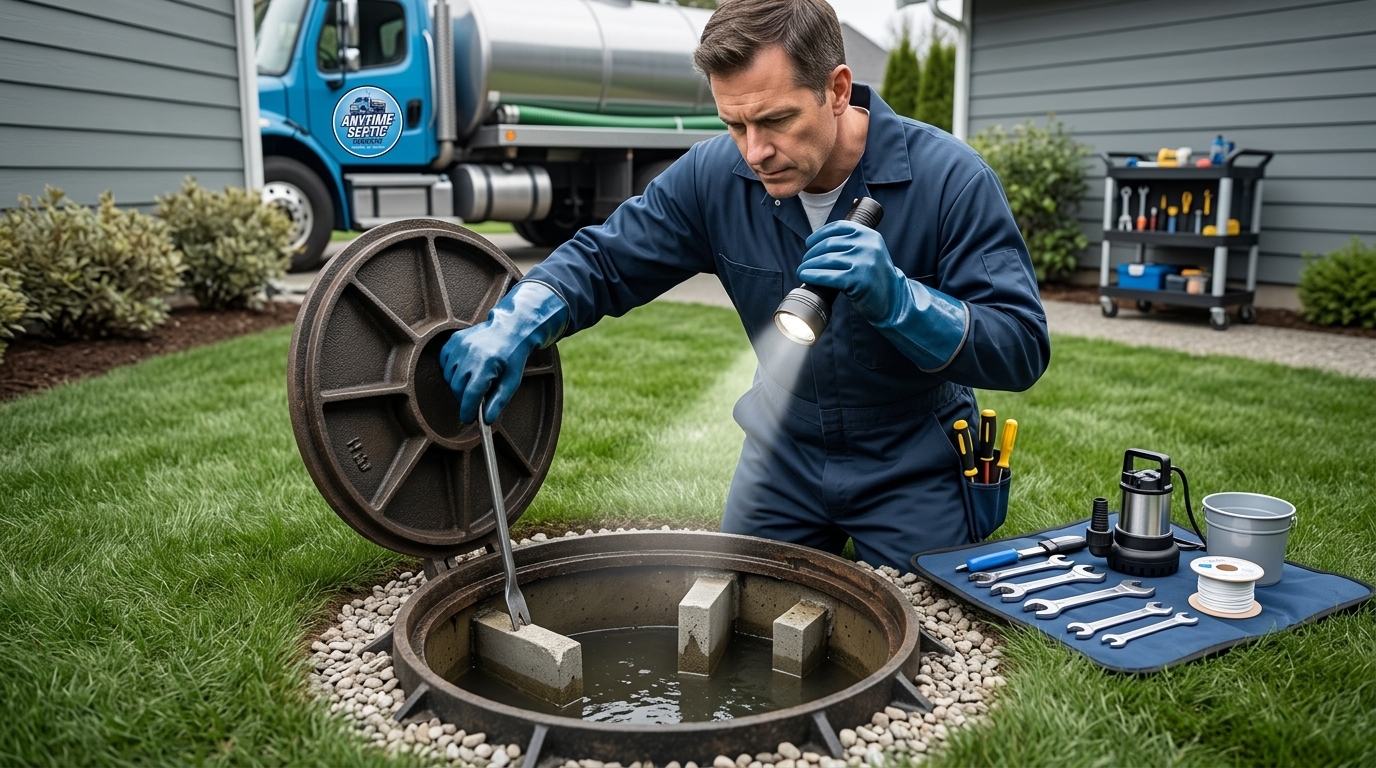
Do not install irrigation or sprinkler lines over the drain field. The soil above the field needs to stay as dry as possible so it can absorb the effluent coming from below. Adding water from above slows the whole process.
Divert your roof downspouts and any surface water drainage away from the drain field. If your gutters empty directly into the area above the field, redirect them. This is one of the simplest things a homeowner can do, and it makes a real difference on properties where the yard slopes toward the field.

What NOT to Put in Your Septic System
Your septic tank relies on bacteria to break down waste. Anything that kills those bacteria or clogs the tank puts your whole system at risk. Here’s what we tell every Hiram homeowner we work with.
Chemicals and Cleaners
- Drain cleaners: These are some of the worst things you can pour into a septic system. They kill the bacteria your tank needs to function.
- Bleach in large amounts: A small amount from normal laundry won’t cause a problem, but dumping a full bottle down the drain will.
- Paint, solvents, and pesticides: These don’t belong in a septic system. Take them to your local Paulding County hazardous waste drop-off.
- Motor oil and automotive fluids: Same rule. Dispose of these at a recycling center, not down a drain.
- Excess medications: Don’t flush leftover pills or liquid medications. Many of them don’t break down in the tank and can pass through into the drain field and soil.

Grease and Cooking Oil
Grease coats the inside of your tank, builds up on the baffles, and can eventually flow into the drain field lines. Never pour grease or cooking oil down the drain. Pour it into a container, let it cool, and throw it in the trash.
Things That Should Never Be Flushed
- Wipes of any kind, including the ones labeled “flushable” (they are not)
- Feminine hygiene products
- Cat litter
- Diapers
- Paper towels
- Cotton balls and swabs

These items don’t break down in the tank. They take up space, build up over time, and can clog the outlet baffle. The only things that should go into your septic system are wastewater and toilet paper.
Water Conservation Habits That Protect Your System
Your septic system can only process so much water at a time. If you send too much water through the system in a short period, the tank can’t separate solids from liquids properly. That means partially treated wastewater gets pushed into the drain field before it’s ready.
Here in Hiram, a lot of the neighborhoods built over the last 15 to 20 years have larger homes with multiple bathrooms, big tubs, and high-capacity washing machines. Those features put more demand on a septic system than most people realize.
Spread Out Your Water Use
- Laundry: Do one or two loads a day spread across the week instead of six loads on Saturday. Your tank and field will handle the volume much better when it’s spaced out.
- Appliances: Don’t run your dishwasher and washing machine at the same time. Stagger them by a few hours so the tank has time to process each load.
- Showers and baths: If you have a full house, try to spread showers out rather than having everyone go back to back in a 30-minute window.

Fix Leaks Fast
A leaky faucet or a running toilet can send hundreds of extra gallons through your system every week without you even noticing. Fix leaks as soon as you spot them. That constant flow of water overloads the tank and keeps the drain field saturated.
Consider High-Efficiency Fixtures
Low-flow toilets, efficient showerheads, and high-efficiency washing machines all reduce the amount of water your septic system has to process. You don’t need to replace everything at once, but when a fixture wears out, choose a replacement that uses less water. Your system and your water bill will both benefit.
Seasonal Maintenance Tips for Paulding County
Hiram’s weather and soil conditions create specific challenges for septic systems throughout the year. Georgia’s red clay soil doesn’t drain the way sandy or loamy soil does, and that affects how your system performs season by season.
Spring and Summer
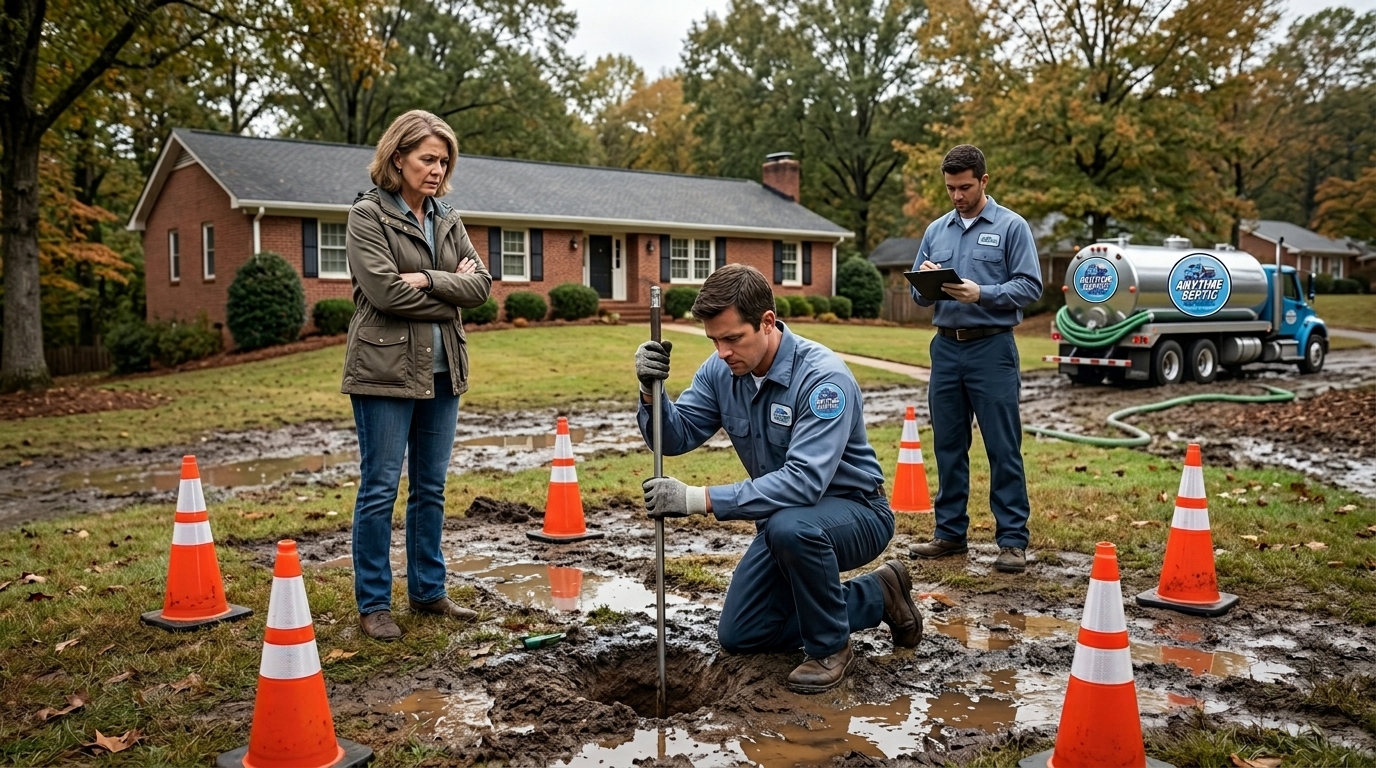
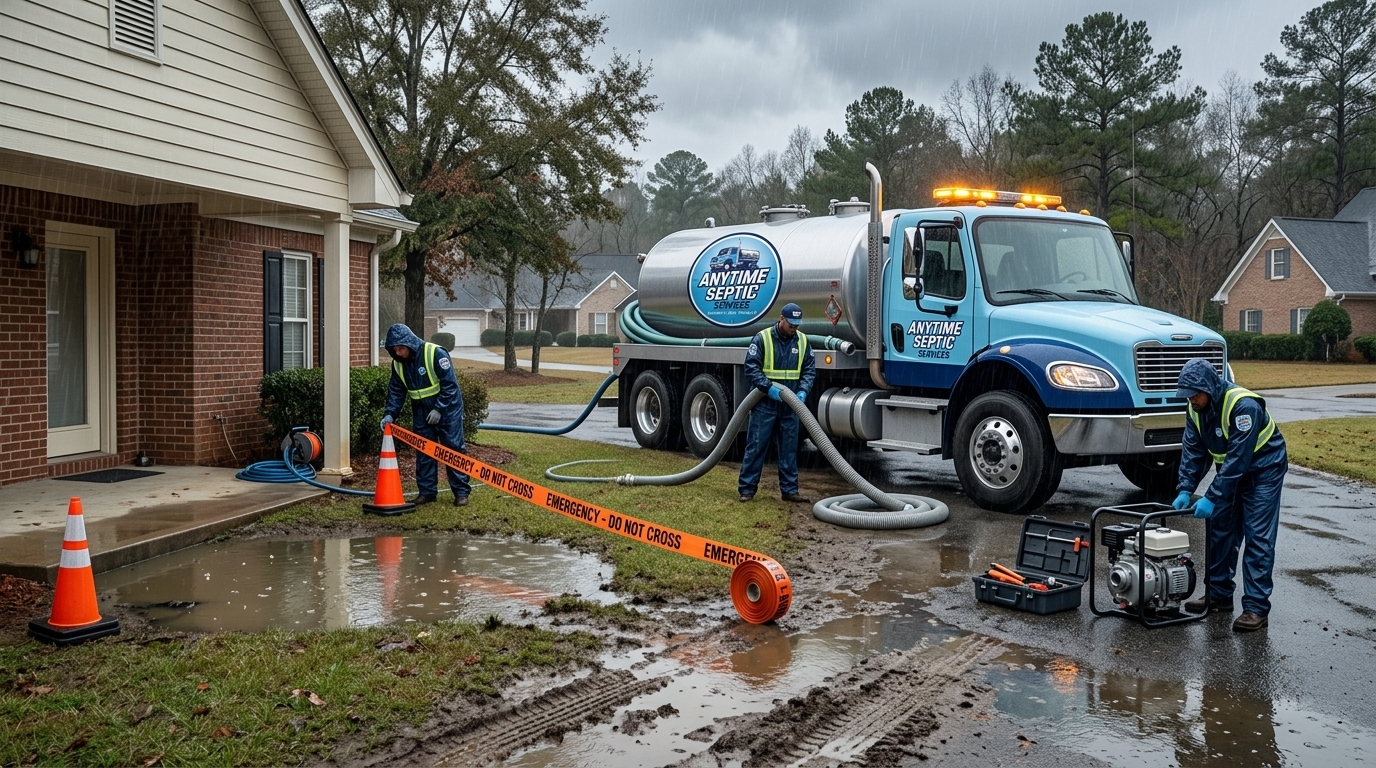
Spring in Paulding County often brings heavy rain. If your drain field is already working hard, a week of downpours can push it past its limit. Watch for soft or soggy spots in the yard after extended rain. If standing water appears over the drain field and doesn’t dry up within a day or two after the rain stops, that’s worth a call.
Summer heat can also make any existing septic odors more noticeable. If you smell something off near the tank or field during the warmer months, don’t ignore it.
Fall
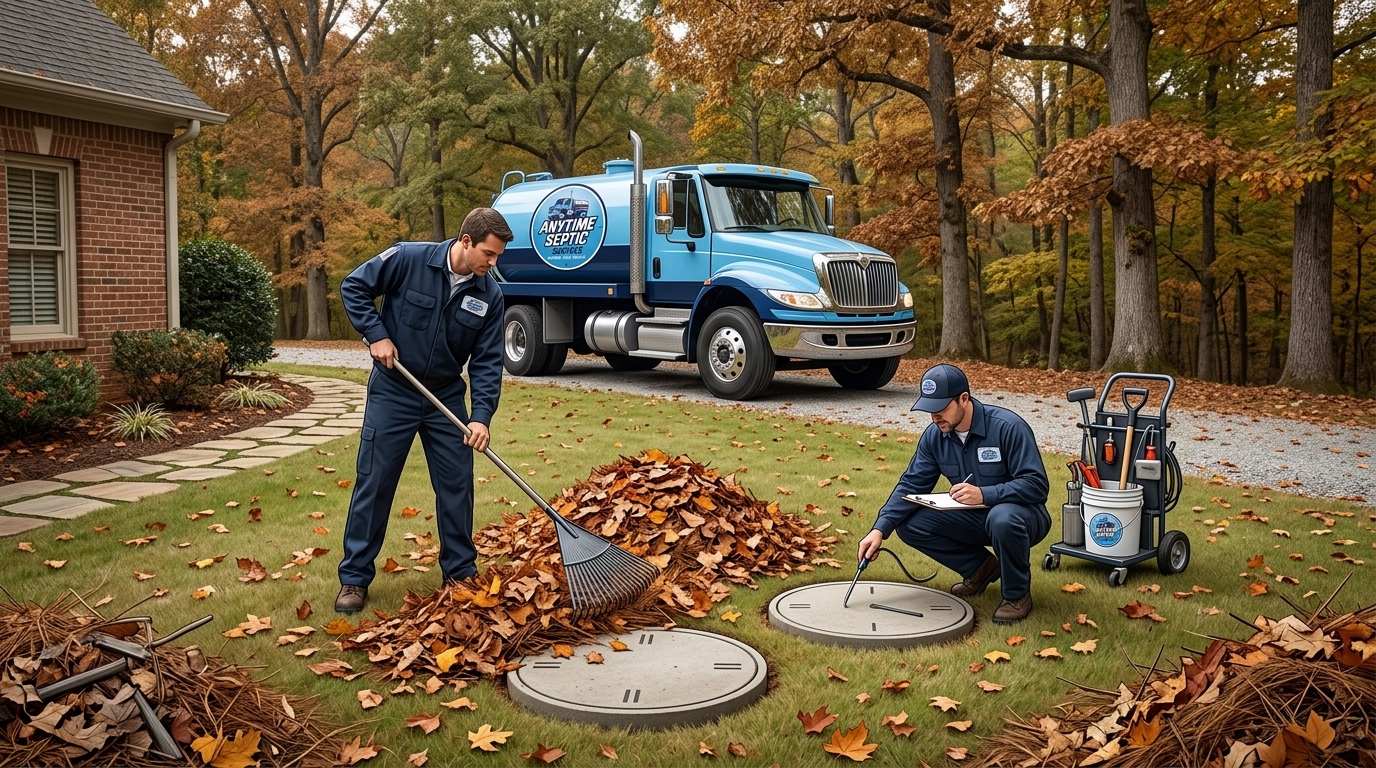
Falling leaves and yard debris can settle over your tank access lids and your drain field. Keep the area clear. A thick layer of wet leaves over the tank area traps moisture and makes it harder to access the system for inspections or pumping. If you know where your tank lids are, make sure they stay visible and accessible.
Winter
Georgia winters are mild compared to northern states, but we do get the occasional hard freeze. When that happens, exposed pipes can be at risk. Insulate any exposed septic pipes or connections, especially if your system has above-ground components.
The grass over your drain field serves as natural insulation for the soil and pipes below. Don’t cut it too short heading into winter. A slightly taller stand of grass helps protect the field during those rare stretches when temperatures drop into the teens and twenties.
When to Call a Professional
Good maintenance habits go a long way, but your system still needs professional attention. Regular septic tank pumping and cleaning keeps solids from building up and damaging the drain field. Between pump-outs, call a pro if you notice any of the following:
- New wet spots or soft ground over the drain field that don’t dry after rain ends
- Persistent odor near the tank or field area
- Drains slowing down throughout the house at the same time
- Bright green, unusually lush grass growing in a strip or patch over the field
For a full breakdown of warning signs and what they mean, read our guide to septic pumping for Hiram homeowners. That post covers pumping frequency and the early signals that your system needs attention.
Our family serves homeowners across our Hiram service area and throughout Paulding County. We’ll tell you what’s going on with your system in plain English and give you honest recommendations.