
Introduction: Why Cartersville Homeowners Face Unique Septic Challenges
Maintaining a septic system in Cartersville, GA requires more than the standard three-to-five-year pumping schedule recommended nationwide. The combination of Bartow County’s clay-heavy soil composition and above-average rainfall creates a perfect storm of challenges that can significantly shorten your system’s lifespan or drive up maintenance costs if you don’t understand the local conditions.
These unique septic challenges directly impact Cartersville residents, making it crucial for homeowners to be aware of local issues and seek solutions tailored to their community.
With over 42,000 households in Bartow County and many homes relying on septic systems due to limited municipal sewer access, understanding these unique environmental factors isn’t just helpful it’s essential for protecting one of your home’s most critical infrastructure investments.
This guide explores the specific maintenance demands created by Cartersville’s climate and soil conditions, providing actionable strategies to keep your septic system functioning efficiently for decades.
Understanding Cartersville’s Soil Composition: Why Clay Matters
The Clay Soil Reality in Bartow County
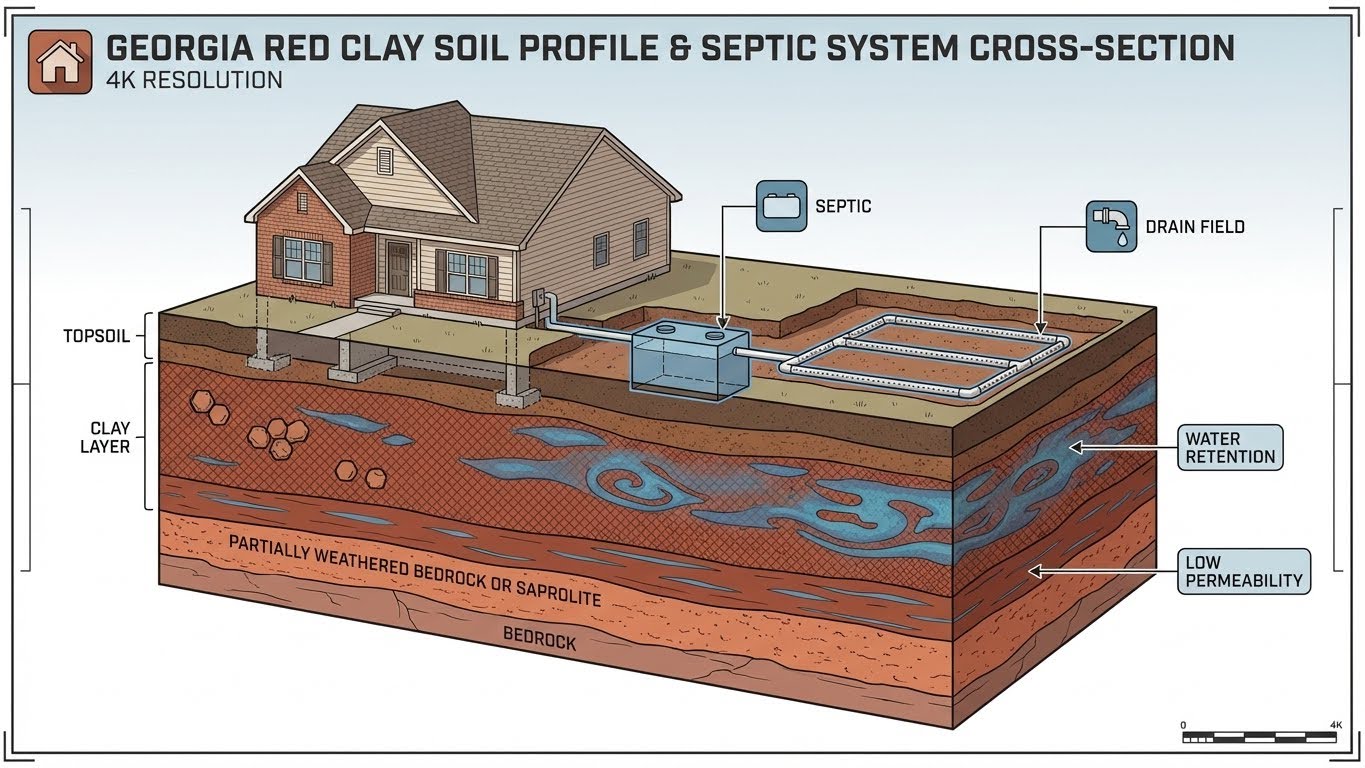
Bartow County’s soil profile is dominated by three main associations: Shack-Fullerton-Bodine, Townley Fullerton Montevallo, and Fullerton-Shack-Chewacla. The most problematic for septic systems is the Townley-Fullerton-Montevallo association, characterized as “moderately deep, well-drained, slowly permeable soils on upland ridgetops and side slopes formed in clayey residuum weathered from shale”.
This technical description translates to a practical problem: Georgia red clay soil has poor drainage characteristics that degrade over time. Unlike the sandy soils found in coastal Georgia, clay soils in Cartersville typically achieve percolation rates of less than 1 inch per hour far below the minimum rates required for optimal septic drain field performance.
How Clay Soil Damages Septic Systems
Clay soil creates multiple failure points in septic systems:
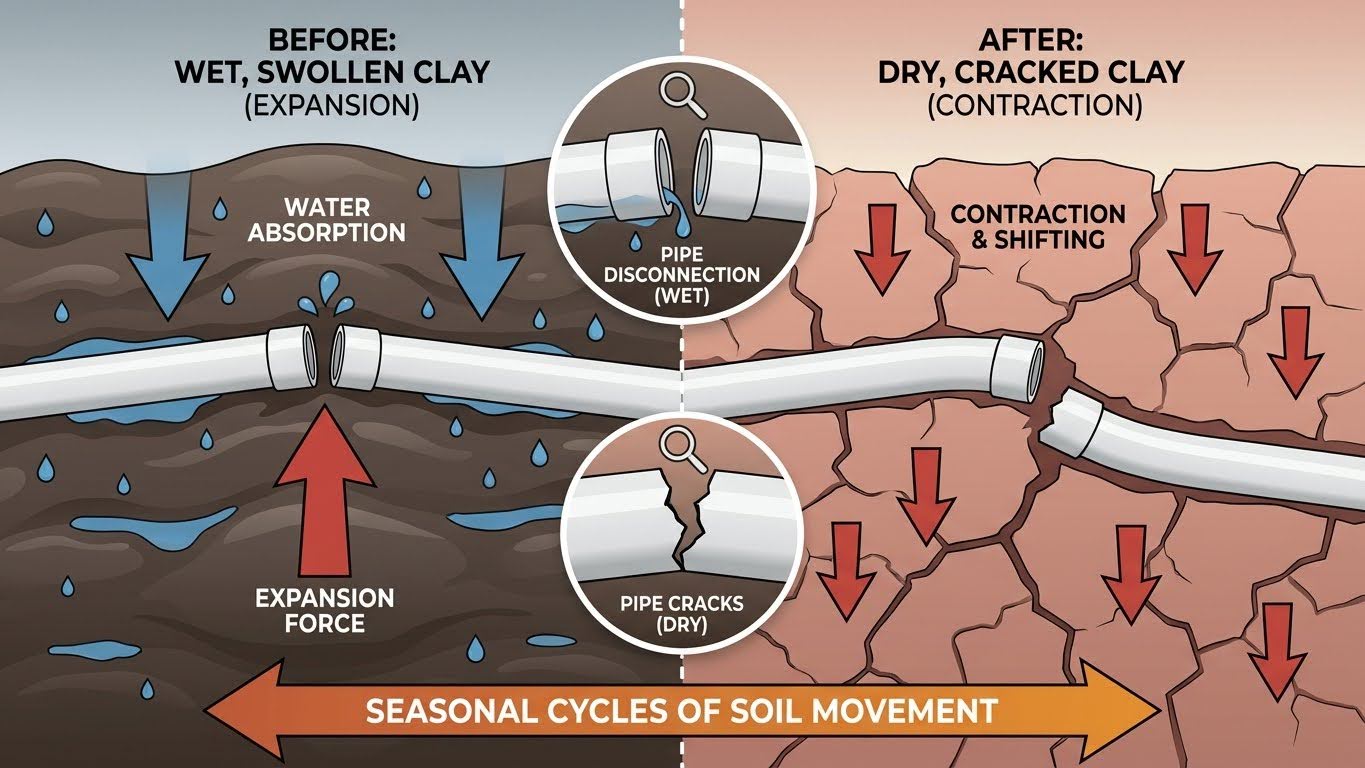
Expansion and Contraction Cycles: Clay soils with even 5-10% expansive clay minerals experience significant swelling when wet and contraction when dry. This constant movement can crack septic tanks, damage inlet and outlet connections, and separate drain field pipes. During Cartersville’s summer dry spells, clay soil cracks and shifts; when autumn rains return, these movements disrupt drainage patterns and can cause structural damage to underground components.
Poor Permeability and Saturation: The low permeability of clay soil prevents proper effluent absorption. Instead of filtering through soil layers as designed, wastewater accumulates in the drain field, leading to surface seepage, soggy ground, and eventually system backup. Clay soils retain water and slow the breakdown of wastewater, requiring more frequent pumping than systems installed in sandy soil.
Anaerobic Conditions: Saturated clay creates oxygen-poor conditions that disrupt the beneficial aerobic bacteria essential for wastewater treatment. This biological failure means your system can’t properly treat effluent even when mechanical components are functioning correctly.
Compaction Issues: Clay soils are highly susceptible to compaction from construction equipment, vehicles, or even foot traffic over the drain field. Once compacted, permeability decreases further, accelerating system failure.
Regular cleaning of your septic system is essential to prevent the buildup of solids and reduce the risk of system failure caused by clay soil conditions.
Cartersville’s Climate Impact: Rainfall and Water Table Challenges
Above-Average Precipitation
Cartersville receives approximately 50 inches of annual precipitation, distributed across roughly 70 days per year. This exceeds the national average of 38 inches and creates sustained pressure on septic systems throughout the year.
Heavy rainfall saturates the soil around septic tanks and drain fields, preventing proper effluent absorption. When groundwater levels rise during rainy periods, the drain field can’t accept additional wastewater, forcing sewage to back up toward the surface or, worse, into your home.
High Water Table Complications
Cartersville’s geological features include areas with high water tables and porous limestone. High groundwater levels cause septic tanks to fill more quickly and reduce the drain field’s treatment capacity. During extended wet periods common in spring the water table can rise close to the surface, essentially drowning your drain field and rendering it temporarily non-functional.
Seasonal Variations Require Adjusted Maintenance
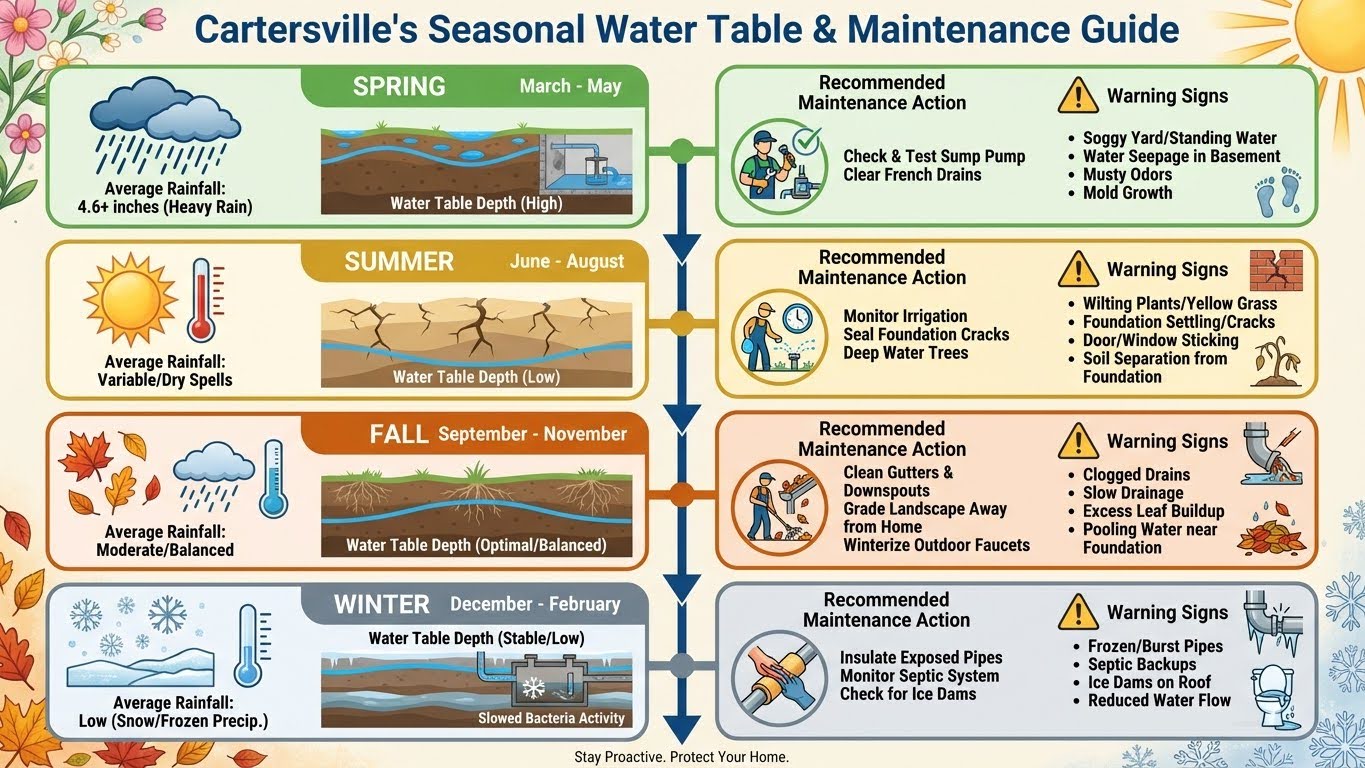
The interaction between Cartersville’s seasonal weather patterns and clay soil creates a maintenance calendar that differs from standard recommendations:
Spring (March-May): Heavy rainfall (March averages 4.6+ inches) saturates clay soil. This is when drain field failures most commonly surface. Schedule a septic tank inspection before spring rains as a preventative maintenance step to identify hidden issues and maintain system health.
Summer (June-August): Dry conditions cause clay soil to crack and shift. Monitor for settling around the tank and unusual changes in drain field surface conditions.
Fall (September-November): The ideal window for septic pumping and septic tank inspection due to mild weather and moderately dry soil conditions.
Winter (December-February): While Georgia winters are mild, cold temperatures slow beneficial bacteria activity. Spread out water usage during colder months to reduce system stress.
Cartersville-Specific Septic Pumping Schedules
Why Standard Recommendations Don’t Apply
The EPA and most septic professionals recommend pumping every 3-5 years for typical households. However, this guidance assumes moderate soil drainage and average rainfall conditions that don’t exist in Cartersville.
Clay soils common in Bartow County require more frequent pumping to prevent system overload during high-usage periods. The combination of poor soil permeability and above-average rainfall means solids accumulate faster and the drain field has less capacity to handle effluent between pumpings.
As a result, homeowners in Cartersville must perform septic maintenance and pumping more frequently than the national average to ensure their systems function properly.
Recommended Pumping Frequency for Cartersville Homes
Standard Clay Soil Conditions:
- 1-2 person household: Every 3-4 years (vs. 5-7 years in sandy soil)
- 3-4 person household: Every 2-3 years (vs. 3-5 years in sandy soil)
- 5+ person household: Every 1.5-2 years (vs. 2-4 years in sandy soil)
Factors Requiring More Frequent Service:
- Homes with garbage disposals (add 50% more solids, pump every 2-3 years regardless of household size)
- Properties in low-lying areas with high water tables (annual inspections, pumping every 2 years)
- Older systems (15+ years) showing signs of reduced efficiency
- Heavy water usage patterns (large families, frequent guests, water-intensive lifestyles)
Warning Signs Your Cartersville System Needs Immediate Attention
Don’t wait for your scheduled pumping if you notice these red flags specific to clay soil conditions:
- Standing water near the drain field that persists 48+ hours after rain
- Lush, dark green grass growing in strips over the drain field (indicates effluent surfacing)
- Slow drains throughout the house, especially after heavy rainfall
- Gurgling sounds when flushing toilets or running water
- Septic odors in the yard or near plumbing fixtures
- Muddy, marshy soil over the tank or drain field when it hasn’t rained recently
In clay soil conditions, these symptoms progress rapidly. What starts as slow drains can become a complete system backup within weeks when the drain field is already compromised by poor permeability.
Local Case Study: The Cost of Ignoring Clay Soil Realities
Clay soil conditions contribute to drain field failures occurring 30-40% faster than systems installed in well-draining soil. When homeowners follow standard 5-year pumping schedules without accounting for local soil conditions, they often discover extensive drain field damage requiring $10,000-$30,000 in repairs or complete system replacement.
Conversely, Cartersville homeowners who adapt their maintenance schedules to local conditions pumping every 2-3 years and conducting annual inspections extend system lifespans from the typical 15-25 years to 40+ years.
Positive reviews from Cartersville homeowners reflect the benefits of proactive septic maintenance and adapting to local soil conditions.
Protecting Your Investment: Best Practices for Cartersville Septic Systems
Water Conservation Is Critical in Clay Soil
Because clay soil can’t absorb water quickly, every gallon you send to your septic system matters more than it would in sandy soil. Implement these water conservation strategies:
- Spread out water usage: Never do multiple loads of laundry in one day. Space them over the week.
- Install low-flow fixtures: Reduce daily wastewater volume by 20-30% with efficient toilets, showerheads, and faucets.
- Fix leaks immediately: A dripping faucet adds hundreds of gallons monthly that your clay-surrounded drain field struggles to handle.
- Limit shower length: Especially during wet seasons when the drain field is already stressed.
Protect Your Drain Field
Clay soil’s susceptibility to compaction makes drain field protection essential:
- Never drive or park vehicles over the drain field or septic tank
- Avoid heavy equipment or construction traffic in the area
- Keep foot traffic minimal over drain field zones
- Don’t plant trees or deep-rooted shrubs within 25-30 feet of drain field lines
- Maintain grass cover to prevent erosion but avoid excessive watering
Manage Rainwater to Reduce Soil Saturation
Redirect water away from your septic system:
- Extend downspouts to discharge at least 10-15 feet from the drain field
- Grade your property to encourage surface water to flow away from the septic area
- Install French drains or swales to manage heavy rainfall if your property retains water
- Never connect roof gutters, sump pumps, or pool drainage to your septic system
Skip the Additives They Don’t Work in Clay Soil
Despite marketing claims, septic tank additives provide no benefit and may actually harm your system. The EPA reports that biological additives don’t improve septic tank performance, and the Georgia Department of Public Health specifically discourages their use.
In clay soil conditions, chemical additives can break solids into smaller particles that remain suspended in liquid, flow into the drain field, and accelerate clogging in already poor-draining soil. Save your money and invest in proper pumping instead.
Work with Local Septic Professionals
Bartow County’s Environmental Health Department regulates septic system installation, septic system repair, and maintenance. When you need service, choose contractors familiar with local clay soil challenges: Local providers bring expertise in handling Cartersville’s unique soil conditions, ensuring reliable and professional septic maintenance.
Cartersville-Area Septic Services:
- Anytime Septic (locations in Adairsville, Cartersville, and Dallas)
- Metro Septic (serving Cartersville since 2005)
- Ray’s Septic Service
- Elite Septic
- Dixie Septic
Many of these providers, including Anytime Septic, also serve nearby areas such as Marietta, ensuring broad regional expertise.
Local providers understand Bartow County’s soil composition, permitting requirements, and seasonal maintenance needs in ways that regional or national companies may not.
Understanding Bartow County Septic Regulations
Minimum Tank Size Requirements
Georgia regulations mandate a minimum 1,000-gallon septic tank for 3-4 bedroom homes. Homes with garbage disposals must increase tank size by 50%, a critical requirement given how disposals add solid waste that clay soil systems struggle to process.
Setback Distances
Protect groundwater with required setbacks:
- Septic tank: 50 feet from wells
- Drain field: 100 feet from wells
- Property connections prohibited if public sewer is within 300 feet
Inspection and Permitting
Bartow County Environmental Health Department issues all septic permits and conducts inspections. Installation, repairs, and modifications require licensed contractors and proper permits. When buying or selling property with a septic system, many lenders require inspections even though Georgia doesn’t mandate them statewide.
To ensure compliance with local regulations, only a licensed sewer company should perform septic system inspections, installations, and repairs.
Cost Considerations: The Value of Proactive Maintenance
Short-Term vs. Long-Term Costs
Regular pumping costs $300-500 in the Cartersville area. Homeowners following adjusted 2-3 year schedules invest approximately $150-250 annually in pumping costs.
Compare this to repair and replacement costs:
- Drain field repair: $2,000-$10,000
- Complete drain field replacement: $5,000-$15,000
- Full system replacement: $10,000-$30,000
Over a 20-year period, proactive maintenance totals $3,000-$5,000. Neglected systems requiring major repairs or replacement can cost 3-10 times more.
Septic vs. Sewer: The Financial Reality
Cartersville homeowners with septic systems enjoy significant cost advantages over sewer connections. Over 10 years, sewer costs average $16,000+ in monthly fees, while septic system costs (including pumping and maintenance) total $3,000-$5,000—just 20-30% of sewer costs.
Many local providers offer both septic and sewer services, allowing Cartersville homeowners to choose the best solution for their property.
Conclusion: Clay Soil Demands Smarter Maintenance
Cartersville’s clay soil and above-average rainfall create maintenance demands that standard septic system guidelines don’t address. Homeowners who adapt their care routines to these local conditions pumping every 2-3 years instead of 3-5, conducting fall inspections, conserving water, and protecting drain fields from compaction extend system lifespans dramatically while avoiding costly emergency repairs.
Your septic system represents a significant investment in your property, typically lasting 15-25 years with standard care but potentially 40-50+ years when maintained according to local soil and climate realities. Understanding Cartersville’s unique challenges transforms septic maintenance from a reactive burden into a proactive strategy that protects your home’s value and your family’s health.
Ready to schedule your septic inspection or pumping? Contact Anytime Septic to speak with local experts who understand Bartow County’s clay soil challenges and can develop a customized maintenance plan for your property. Many customers have simply called to get their questions answered or to schedule service it’s quick and easy. Don’t wait for warning signs proactive care is always more affordable than emergency repairs.


