678-848-4365
service@anytime-septic.com
Business Hours Mon - Sun | Open 24 Hours

Septic to Sewer Conversion Services in Taylorsville, GA

When municipal sewer lines become available in Taylorsville, property owners face an important decision about transitioning from their existing septic systems. Converting from septic to sewer offers long-term benefits for homeowners and businesses throughout Bartow County. Anytime Septic provides professional sewer conversion Taylorsville services that help property owners make this transition smoothly and efficiently.

Understanding the shift from private wastewater management to public sewer infrastructure requires careful planning and professional execution. The conversion process involves more than simply connecting to available lines. Property owners must consider permit requirements, system decommissioning procedures, and proper installation techniques that protect their investment.

SCHEDULE AN APPOINTMENT

Understanding Septic to Sewer Conversion in Taylorsville

Converting from a private septic system to municipal sewer infrastructure represents a significant improvement in property wastewater management. This transition eliminates the need for on-site treatment and disposal, connecting your property directly to the city sewer network. Understanding what the conversion process entails helps property owners make informed decisions about their wastewater needs.

The decision to pursue sewer line connection Taylorsville services often comes when municipalities expand infrastructure into previously rural areas. Local governments typically require conversions within specific timeframes once sewer lines become available in a neighborhood. Properties near expanding city limits frequently encounter these mandates as urban services extend into surrounding communities.

What Septic to Sewer Conversion Involves

Making the switch from septic to municipal sewer requires several coordinated steps. Each phase of the conversion process demands attention to detail and compliance with regulations.

Initial Property Assessment and Planning

Professional technicians evaluate your current septic system location, property topography, and distance to municipal connection points. This assessment determines the most efficient route for new sewer lines and identifies any obstacles that might affect installation costs or timelines.

Permit Acquisition and Regulatory Compliance

Converting to city sewer requires obtaining proper permits from local authorities and the county health department. The process includes submitting site plans, paying connection fees, and ensuring all work meets Georgia environmental regulations and Bartow County building codes for wastewater infrastructure.

Septic System Decommissioning

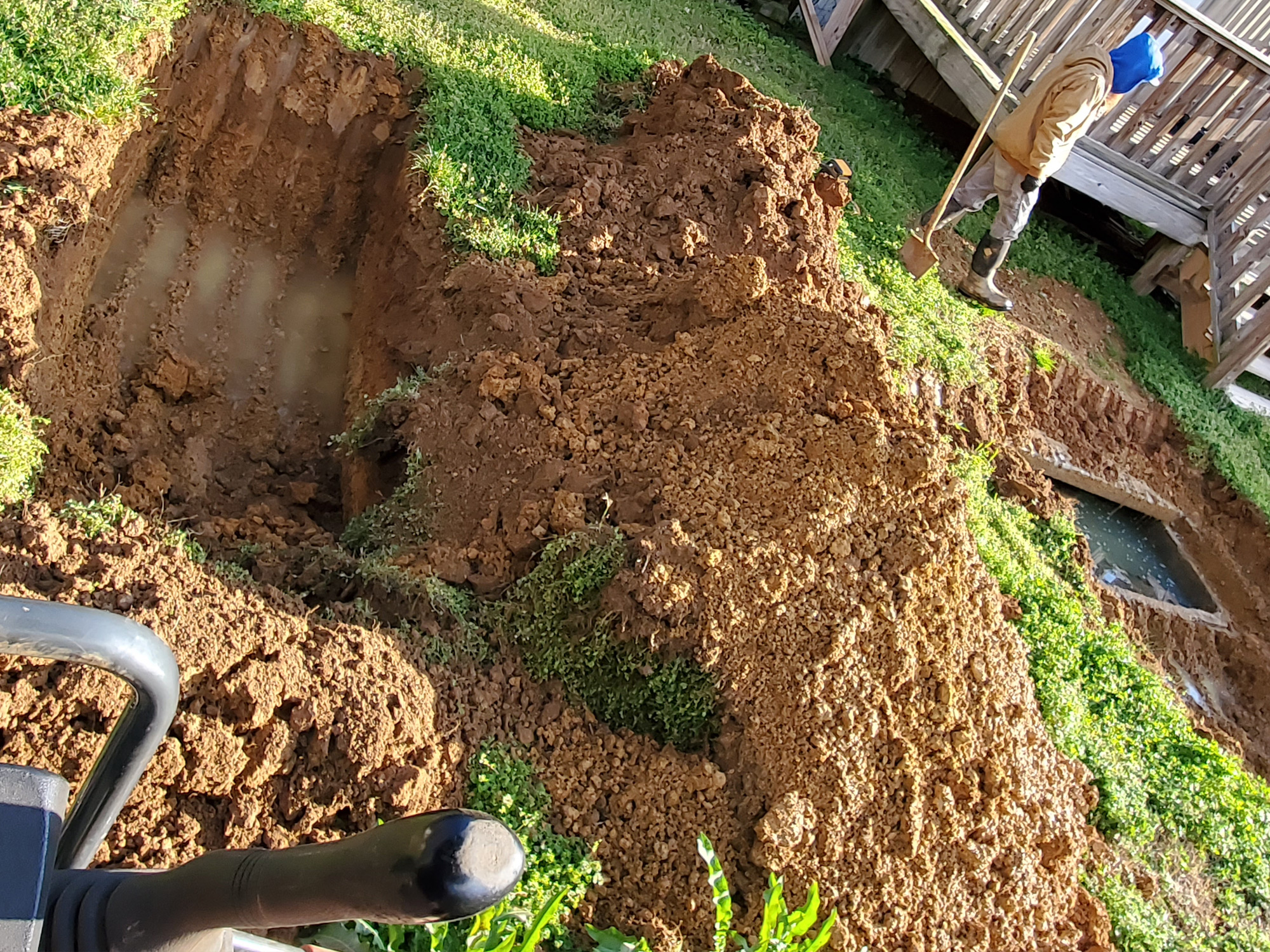
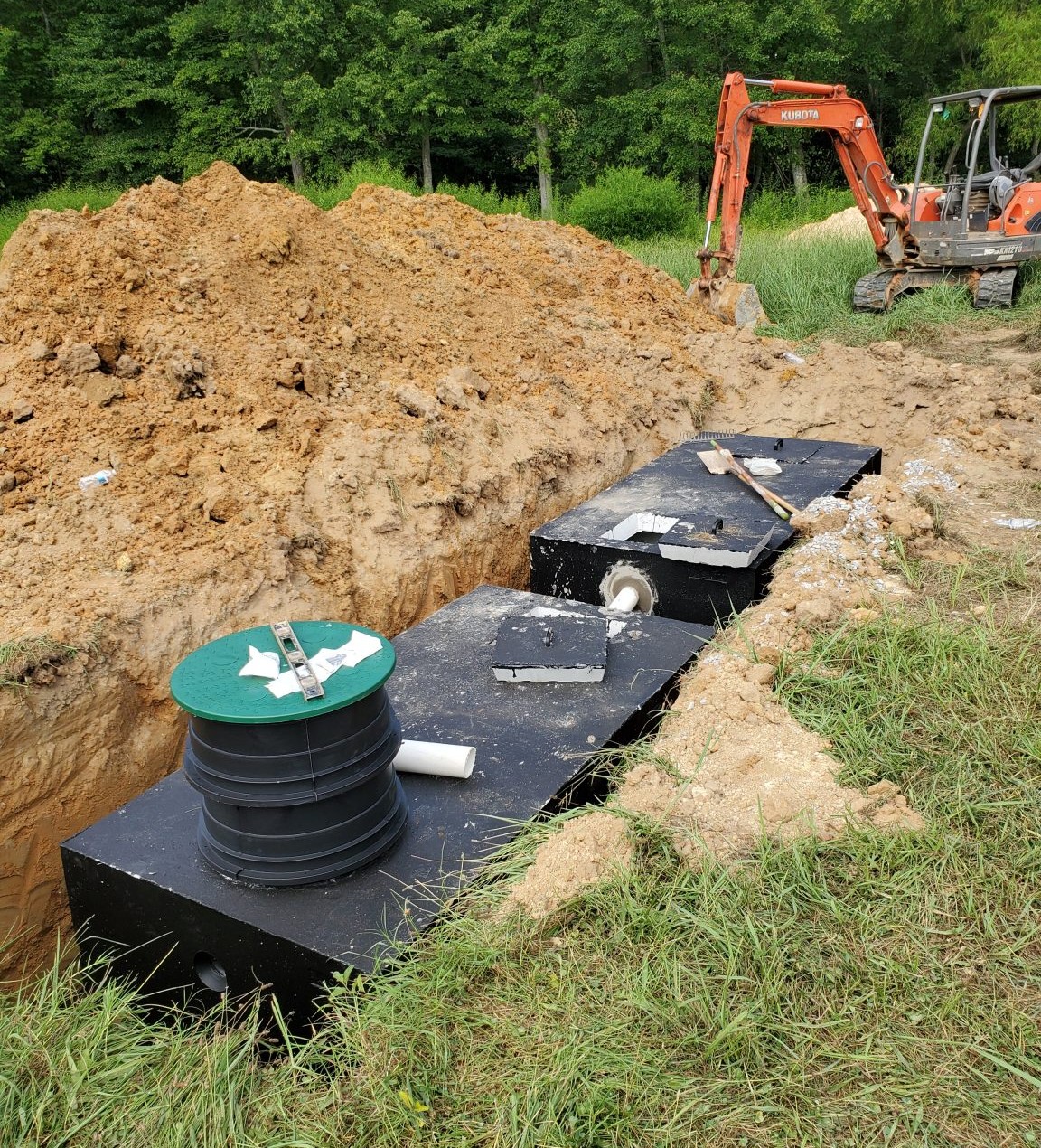
Existing septic tanks must be properly abandoned according to environmental protection guidelines. This involves pumping all remaining contents, breaking holes in the tank bottom for drainage, and filling the cavity with clean sand or gravel to prevent future collapse and groundwater contamination.

Sewer Line Installation and Connection

Crews excavate a trench from your home’s existing plumbing to the municipal tap point. New piping installation follows precise grade requirements to ensure proper flow, with connections tested for leaks before backfilling and restoration of affected landscaping areas.

Converting from private septic systems to public infrastructure transforms how your property manages wastewater. The change eliminates regular pumping requirements and reduces long-term maintenance concerns. Professional installation protects your investment while ensuring seamless integration with municipal services that serve the Taylorsville community.

SCHEDULE AN APPOINTMENT

The Conversion Process: From Start to Finish

Transitioning from a septic system to city sewer infrastructure follows a systematic approach that ensures quality results. Each project phase builds upon the previous step, creating a comprehensive solution for your property’s wastewater needs. Understanding this workflow helps property owners know what to expect during their conversion.

The timeline for completing a sewer conversion varies based on property-specific factors and municipal requirements. Weather conditions, soil composition, and the distance between your home and the connection point all influence project duration. Most residential conversions take several days to complete once permits are secured and materials are delivered to the site.

Steps in the Sewer Conversion Process

Professional teams follow established procedures that protect both your property and the environment. These systematic approaches ensure reliable results that meet all regulatory standards.

Site Evaluation and System Design

Technicians map underground utilities, assess soil conditions, and calculate proper pipe slope requirements for gravity flow. This planning phase identifies the optimal path for new sewer lines while avoiding conflicts with existing infrastructure like water mains, gas lines, or electrical conduits.

  •  

Excavation and Trench Preparation

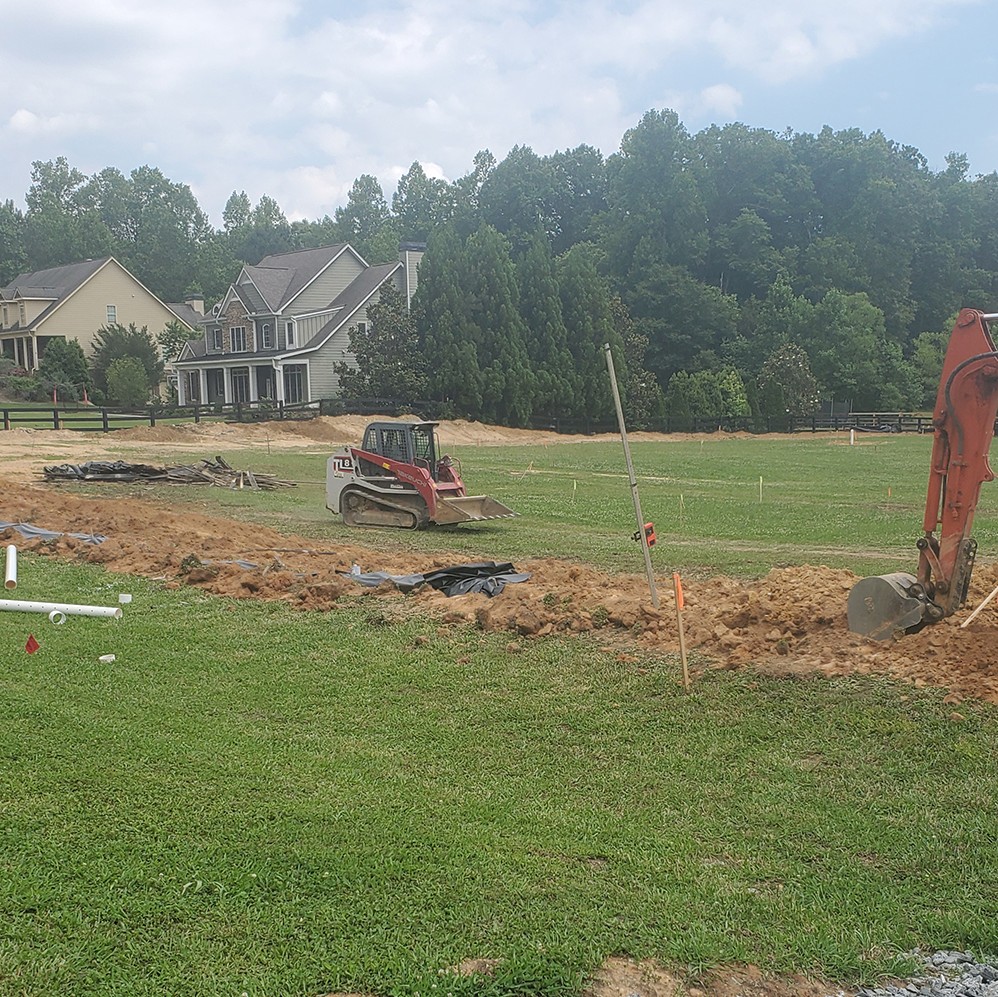
Equipment operators dig trenches following the planned route with precise depth and width specifications. The excavation process protects existing landscaping where possible and creates stable working conditions for pipe installation, with trench walls properly supported to prevent collapse during construction.

Pipeline Installation and Testing

Crews lay new sewer pipes with proper bedding material, ensuring each joint connects securely without gaps or misalignment. After installation, the system undergoes pressure testing or camera inspection to verify leak-free operation before any sections are covered with backfill material.

Connection to Municipal Infrastructure

Licensed plumbers complete the final tie-in to city sewer mains according to utility department specifications. This critical step requires coordination with local authorities who inspect the connection, verify proper installation, and activate service for your property’s integration into the public system.

Throughout the conversion process, professional teams maintain clear communication with property owners. Daily updates keep you informed about progress, any unexpected challenges, and projected completion dates. This transparency ensures you understand each phase as your property transitions from septic dependence to reliable municipal sewer service.

CALL US AT
TO SPEAK WITH OUR CERTIFIED SEPTIC TECHNICIAN

Benefits of Converting to Sewer in Taylorsville

Transitioning from septic to sewer delivers immediate and long-term advantages for property owners across Taylorsville. The change reduces maintenance demands while improving property functionality and market appeal. Municipal sewer connections provide reliability that private septic systems cannot match, especially as properties age and neighborhood density increases.

Property values often increase when homes gain access to city sewer infrastructure. Potential buyers recognize the reduced maintenance requirements and lower long-term operating costs associated with municipal services. Real estate transactions become simpler without the need for septic inspections or concerns about system capacity and drain field conditions.

Key Advantages of Sewer Conversion

Making the switch from private wastewater treatment to public infrastructure creates multiple benefits. These improvements affect daily living, property management, and environmental protection.

Elimination of Septic Maintenance Requirements

Municipal sewer connections remove the need for routine septic tank pumping every three to five years. Property owners no longer face unexpected repair costs for failed drain fields, damaged tanks, or saturated soil absorption areas that can cost thousands of dollars to remedy.

Increased Property Usability and Expansion Options

Sewer access eliminates restrictions on household water usage and permits easier home additions or renovations. Without septic system limitations, families can install additional bathrooms, larger appliances, or guest quarters without worrying about overwhelming on-site treatment capacity or soil absorption rates.

  •  

Environmental Protection and Groundwater Safety

Public sewer treatment plants process wastewater more effectively than individual septic systems, reducing the risk of groundwater contamination. This improvement protects drinking water sources and eliminates concerns about failing septic systems leaching bacteria or nutrients into soil and nearby water bodies.

Compliance with Municipal Requirements

Converting to city sewer ensures compliance with local ordinances that mandate connection when infrastructure becomes available. Meeting these requirements avoids potential fines or enforcement actions while aligning your property with community standards for wastewater management throughout the Taylorsville area.

Homeowners who complete conversions often report peace of mind knowing their wastewater disposal operates reliably regardless of weather, soil conditions, or household usage patterns. The transition represents an investment in property infrastructure that pays dividends through reduced operating costs and improved functionality. Municipal sewer service provides consistent performance that supports modern household demands.

CALL US AT
TO SPEAK WITH OUR CERTIFIED SEPTIC TECHNICIAN

Why Choose Anytime Septic for Your Conversion Project

Selecting the right contractor for septic to sewer conversion affects both project outcomes and your overall experience. Anytime Septic combines technical expertise with customer-focused service that makes complex projects manageable. Our team handles conversions throughout Bartow County with attention to quality that protects your property investment.

Since 2014, brothers Toby and Jason Evans have built Anytime Septic on principles of honest service and professional workmanship. Our family-owned approach means we treat every project as if we were working on our own properties. This commitment drives us to exceed expectations while maintaining competitive pricing and realistic timelines.

Our Approach to Sewer Conversion Services

Professional conversion work requires specialized knowledge and equipment. Our comprehensive service delivery ensures quality results from planning through completion.

Licensed and Experienced Installation Teams

Our technicians hold proper certifications and undergo continuous training on current installation methods and regulatory requirements. Years of experience working in Taylorsville and surrounding communities give us insight into local soil conditions, permitting processes, and utility department expectations that affect project success.

Complete Permit Management and Coordination

We handle all paperwork, permit applications, and inspections required for your conversion project. This includes coordinating with Bartow County authorities, scheduling required inspections, and ensuring all work meets current codes without requiring property owners to navigate complex regulatory processes independently.

Quality Materials and Proven Installation Methods

Every project uses durable piping, fittings, and connection materials that meet or exceed industry standards. Our installation techniques follow manufacturer specifications and plumbing best practices that ensure long-term reliability and leak-free operation throughout your sewer line’s service life.

Property Protection and Site Restoration

Crews take measures to minimize disruption to your landscaping, driveways, and other property features during excavation work. After completing installation, we restore affected areas to their original condition, including proper compaction of backfill material and replacement of sod, gravel, or other surface treatments.

Communication remains a priority throughout every conversion project. Our team provides clear estimates that outline expected costs, timelines, and any variables that might affect the project. Regular updates keep you informed as work progresses, and we address questions promptly to ensure you feel confident about the conversion process.

Technical Considerations for Taylorsville Conversions

Local geography and infrastructure conditions influence how conversion projects proceed in the Taylorsville area. Understanding these factors helps property owners anticipate potential challenges and plan accordingly. Soil composition, property elevation relative to sewer mains, and distance to connection points all affect project complexity and installation approaches.

Bartow County’s terrain creates varying conditions across different neighborhoods. Properties on slopes may require special pumping systems if gravity flow cannot reach municipal lines. Flat lots sometimes need careful grading to maintain proper drainage slopes. Professional assessment identifies these site-specific requirements before work begins.

Planning for Successful Installation

Thorough preparation prevents delays and ensures code compliance. Several technical factors require careful attention during the planning phase.

  • Elevation Analysis and Drainage Requirements: Sewer lines depend on gravity to move wastewater effectively toward treatment facilities. Properties situated below street level or with unusual topography may need pump stations or lift systems to achieve proper flow, adding complexity and cost to the conversion project.

  • Underground Utility Conflicts and Routing: Existing water lines, gas mains, electrical conduits, and communication cables often occupy subsurface space where new sewer lines must pass. Careful routing around these utilities prevents damage during excavation while maintaining required clearances specified in plumbing codes and utility easement agreements.

  • Connection Point Location and Distance: The position of municipal sewer taps relative to your home affects both project cost and installation difficulty. Longer distances require more piping and excavation, while connection points on the opposite side of roads may involve boring under pavement to avoid extensive street cutting.

  • Soil Conditions and Excavation Requirements: Clay-heavy soils common in Georgia require different excavation approaches than sandy or rocky ground. Proper trench stabilization, bedding material selection, and compaction techniques vary based on soil type to prevent future settling or line damage from ground movement.

Most Taylorsville properties connect to sewer mains without requiring complex solutions. However, identifying potential complications early allows for proper planning and budget allocation. Professional contractors assess these factors during initial consultations, providing realistic expectations about what your specific conversion entails.

Regulatory Requirements and Local Codes

Converting from septic to sewer involves compliance with multiple regulatory layers. State environmental rules, county health department standards, and municipal ordinances all govern different aspects of conversion work. Understanding these requirements helps property owners appreciate why professional contractors follow specific procedures during installation.

Georgia’s Environmental Protection Division establishes baseline standards for septic system abandonment and sewer line installation. These rules protect groundwater quality and ensure proper waste disposal. Local jurisdictions often add supplementary requirements tailored to community needs and infrastructure capabilities.

Meeting Compliance Standards

Regulatory adherence protects both property owners and the environment. Several key areas require attention during conversion projects.

Health Department Approval for System Abandonment

County health officials must verify that existing septic tanks are properly decommissioned according to environmental safety protocols. This prevents future problems from abandoned tanks collapsing or creating contamination risks as they deteriorate over time in the ground.

Municipal Connection Permits and Fees

City authorities issue permits that authorize physical connection to public sewer infrastructure. These permits include fees that help fund treatment plant operations and system maintenance, with costs varying based on property classification and local utility department policies governing new service hookups.

  •  

Building Code Compliance for Plumbing Work

All pipe installation, fittings, and connections must meet International Plumbing Code standards as adopted by Georgia and modified by local amendments. Inspectors verify proper materials, correct installation techniques, and adequate venting before approving new sewer line connections to existing household plumbing.

  •  

Easement and Right-of-Way Considerations

Installing sewer lines may require crossing utility easements or working within road rights-of-way. Property owners must secure necessary permissions from utility companies and government agencies before crews can excavate in these protected areas, with restoration requirements specified by easement holders.

Working with licensed contractors ensures all regulatory requirements are met without property owners needing to become experts in compliance matters. Experienced teams understand current codes and maintain relationships with local inspectors who oversee conversion projects. This expertise streamlines the approval process and prevents costly mistakes that might require corrective work.

CALL US AT
TO SPEAK WITH OUR CERTIFIED SEPTIC TECHNICIAN

Cost Factors and Financial Considerations

Investment in sewer conversion varies significantly based on property-specific conditions. While exact pricing depends on individual circumstances, understanding the factors that influence costs helps property owners budget appropriately. Distance to connection points, soil conditions, and necessary permits all contribute to final project expenses.

Many municipalities offer financing programs or connection fee payment plans that make conversions more affordable. Some jurisdictions provide grants or low-interest loans to encourage property owners to connect when sewer infrastructure becomes available. Researching these options can reduce the immediate financial impact of conversion projects.

Elements That Affect Conversion Costs

Several variables influence the total investment required for transitioning to municipal sewer. Being aware of these factors helps set realistic budget expectations.

Linear Footage and Excavation Depth

The distance from your home to the sewer main connection point directly affects material and labor costs. Longer runs require more piping, increased excavation time, and additional restoration work, while deeper trenches need more substantial shoring and backfill to maintain stability and code compliance.

Site Accessibility and Terrain Challenges

Properties with difficult access for equipment or significant elevation changes require specialized approaches that increase labor time. Rocky soil demands heavy machinery for excavation, while wet conditions might necessitate dewatering systems to keep trenches dry during installation, adding equipment rental costs to projects.

Additional Infrastructure Requirements

Some conversions need pump stations to lift wastewater to sewer mains when gravity flow proves insufficient. These systems include pumps, electrical connections, control panels, and backup power considerations that substantially increase both initial installation costs and long-term operating expenses for affected properties.

Permit Fees and Inspection Charges

Municipal connection fees vary by jurisdiction and may include capacity charges, tap fees, and inspection costs. These regulatory expenses represent a significant portion of total conversion costs, with exact amounts set by local utility departments based on property classification and sewer system capacity needs.

Property owners should obtain detailed written estimates that itemize all anticipated costs before authorizing conversion work. Comprehensive quotes help avoid unexpected expenses and allow for informed decision-making about project timing and scope. Comparing proposals from multiple licensed contractors provides insight into reasonable pricing for your specific situation.

Long-Term Maintenance and Service Expectations

After conversion completion, property owners gain the benefits of municipal sewer service with minimal ongoing responsibilities. Unlike septic systems requiring regular pumping and potential component replacements, sewer connections need little maintenance once properly installed. This shift represents one of the primary advantages motivating many conversions throughout Taylorsville.

Homeowners remain responsible for maintaining the private portion of their sewer line from the house to the property line connection point. This section, often called the lateral or service line, requires occasional inspection for tree root intrusion or pipe deterioration. Municipal authorities maintain the main lines running beneath streets and public rights-of-way.

Understanding Your Long-Term Responsibilities

Transitioning to city sewer changes maintenance requirements. Knowing what to expect helps property owners budget and plan appropriately.

Monthly Service Fees and Billing Structure: Municipal sewer service includes regular charges that appear on utility bills, with fees typically based on water consumption as measured by your meter. These predictable costs replace irregular expenses for septic pumping and repairs, though rates may increase periodically as treatment plants upgrade or expand to serve growing populations.

Lateral Line Ownership and Maintenance: Property owners maintain responsibility for sewer lines between their homes and the connection point at the property boundary. This includes addressing clogs from improper waste disposal, repairing damage from tree roots, or replacing deteriorated pipe sections that develop leaks affecting your portion of the infrastructure.

Prohibited Materials and Proper Usage: Sewer systems cannot process certain materials that cause blockages or treatment plant problems. Avoiding flushing wipes, grease, medications, or harsh chemicals protects your lines and municipal infrastructure while preventing backup situations that require professional cleaning or create environmental concerns for the treatment facility.

Periodic Inspection and Preventive Care: Scheduling video camera inspections every few years identifies developing problems before they cause backups or failures. This proactive approach catches tree root intrusion early and reveals pipe condition issues that might warrant repair before complete replacement becomes necessary, saving money through timely intervention.

Most property owners find that municipal sewer service requires far less attention than septic systems demanded. The transition eliminates concerns about drain field saturation, tank structural integrity, or soil absorption capacity. This simplified maintenance profile represents a significant quality-of-life improvement that many Taylorsville residents appreciate after completing their conversions.

Making the Decision to Convert

Evaluating whether to proceed with septic to sewer conversion involves weighing multiple factors specific to your property and circumstances. While municipalities often mandate connection within specified timeframes, understanding the full scope of benefits and requirements helps property owners approach the transition confidently. The decision affects property value, daily convenience, and long-term costs.

Some homeowners delay conversion even when sewer lines become available, choosing to continue septic system operation until required by ordinance. This approach may seem economical initially but often results in rushed conversions when deadlines approach or septic failures force emergency decisions. Planning ahead provides more control over timing and contractor selection.

Questions to Consider Before Converting

Several key factors merit thoughtful evaluation when deciding about sewer conversion timing and approach.

Current Septic System Condition: Aging systems approaching the end of their service life make conversion timing more logical. Properties already facing repair needs or replacement costs might find that investing in sewer connection provides better value than rehabilitating failing septic infrastructure with limited remaining lifespan.

Municipal Timeline and Mandate Requirements: Local ordinances often specify deadlines for connecting to newly available sewer lines. Understanding these timeframes allows for strategic planning rather than rushed decisions. Some jurisdictions impose penalties for delayed compliance, making early conversion more attractive than postponing the inevitable requirement.

Property Development Plans: Future additions, increased water usage, or home expansions may exceed current septic system capacity. Converting to sewer before undertaking renovations simplifies construction permits and eliminates concerns about whether existing on-site wastewater treatment can handle increased demands from household growth.

Financial Readiness and Available Resources: Conversion represents a significant investment that warrants budget planning. Exploring financing options, municipal payment programs, or timing the project with other planned improvements helps manage costs effectively. Some property owners coordinate conversions with landscaping projects or driveway replacement to maximize efficiency.

Consulting with professional contractors provides valuable perspective on your specific situation. Experienced teams can assess your current system, evaluate connection requirements, and offer realistic timelines and cost estimates. This information empowers informed decision-making about when and how to proceed with your septic to sewer transition.

SCHEDULE AN APPOINTMENT

What Our Clients Say

Here at Anytime Septic, we’re committed to serving our customers with top-notch customer service. We’re extremely proud of our team. Check out what our customers say.

Based on 50+ Verified Google Reviews

Was quoted $6k by the pink ppl! Anytime Septic came out and did the repair for $1,700! They were very friendly and knowledgeable.

Sam Fallis

We called early this morning to get our tank pumped. Austin showed up same day couple hours later! He was very easy to talk with, take care of our issues, and explain things to us so we could understand. Excellence service and he really took care of us. Thank you Austin you saved the day for me and my family our hero!

Justine Sturzione

Jason and his associate did such a great job scheduling a next day septic tank service! I called with concerns and they came out the following day. They were very quick and responsive via text for any questions I had. Upon arrival they were done within a half hour and left very little trace. I recommend them 100%!

Kaylee Renee

CALL US AT
TO SPEAK WITH OUR CERTIFIED SEPTIC TECHNICIAN

Anytime Septic: Your Partner for Sewer Conversion

Choosing Anytime Septic for your conversion project means working with a team that prioritizes quality workmanship and customer satisfaction. Our approach combines technical expertise with transparent communication that keeps property owners informed throughout the process. From initial consultation through final inspection, we deliver professional service that makes complex projects manageable.

Our experience serving Taylorsville and Bartow County communities provides insight into local conditions that affect conversion success. Understanding regional soil characteristics, municipal requirements, and common site challenges allows us to anticipate issues and implement effective solutions. This local knowledge translates to smoother projects and better outcomes for property owners.

Contact Anytime Septic today to discuss your septic to sewer conversion needs. Our team provides free consultations that assess your property, answer questions, and outline realistic expectations for your project. We handle all aspects of the conversion process, allowing you to enjoy the benefits of municipal sewer service with minimal stress and disruption to your daily life.