678-848-4365
service@anytime-septic.com
Business Hours Mon - Sun | Open 24 Hours

Drain Field Repair and replacement Taylorsville, ga
Expert Leach Field Services

When your septic system fails in Taylorsville, GA, the drain field is often the culprit behind sewage backups and yard flooding. Anytime Septic has served Bartow County homeowners since 2014, providing professional drain field repair Taylorsville residents trust for restoring proper wastewater treatment. Founded by brothers Toby and Jason Evans, our family-owned company brings expertise to every leach field repair Taylorsville GA properties require.

Your drain field processes all wastewater leaving the septic tank through underground pipes that distribute effluent into surrounding soil. The ground in Taylorsville contains clay compositions that challenge absorption rates, making proper system design and maintenance critical. Problems develop when soil becomes saturated or pipes fail, causing sewage to surface in your yard.

SCHEDULE AN APPOINTMENT

Recognizing Field Problems Requiring Professional Service

Understanding warning signs helps you address septic system issues before they escalate into emergencies. Your drain field offers clear indicators when components fail or soil loses its treatment capacity. Many Taylorsville homeowners miss these early signals until backups force immediate action.

The septic tank stores solid waste while sending liquid effluent to the drain field for final treatment. Beneficial bacteria in the soil break down remaining contaminants before water rejoins the groundwater supply. System failure threatens your family’s health and property value when this natural process stops working effectively.

Surface Water and Persistent Wet Spots

Soggy areas appearing above your drain field indicate that soil cannot absorb wastewater at adequate rates. These wet zones remain visible during dry weather, distinguishing field problems from normal rainfall accumulation. The moisture often carries dark coloration and sewage odors that intensify during warm conditions.

Identifying pooling patterns: Standing water develops where pipes have cracked or soil has become biologically clogged beyond its absorption threshold. Grass grows unusually thick and green in affected areas due to nutrients in the wastewater acting as fertilizer. These patches expand gradually as saturation worsens, eventually creating muddy conditions that make yard spaces unusable and potentially hazardous.

Seasonal failure indicators: Spring rains saturate the ground and reduce the soil’s capacity to process additional effluent from your septic tank. Winter freezing damages pipes and disrupts bacterial treatment processes essential for breaking down waste. Summer heat accelerates biological activity while increased water usage from guests and irrigation overwhelms system capacity, revealing underlying issues.

Health and safety concerns: Raw sewage exposure creates serious health risks including bacterial infections and disease transmission. Children and pets playing in contaminated areas face particular danger from pathogens in untreated wastewater. Prolonged exposure worsens damage to drain field components and threatens the surrounding environment.

Wet spots signal that your system has reached critical failure points demanding professional septic services to prevent worse damage and restore proper function to your Taylorsville property.

SCHEDULE AN APPOINTMENT

Slow Drains Throughout Your Home

Multiple fixtures draining slowly indicates that wastewater cannot exit through your drain field at normal rates. Unlike single drain clogs, system-wide slowness points to septic tank or field repair needs rather than standard plumbing issues. Toilets, showers, and sinks on lower levels show symptoms first.

Fixture performance changes

Gurgling sounds when flushing toilets signal trapped air in the lines caused by restricted flow. Water levels rise in toilet bowls when other fixtures drain, demonstrating that sewage backs up through the system instead of flowing away. Bathtubs on the lowest floor accumulate standing water during use, particularly when multiple people use water simultaneously.

Progressive symptom development

Initial slowness occurs only during peak usage when several family members shower, run laundry, and operate dishwashers within short periods. Drainage delays lengthen as drain field soil becomes increasingly clogged with organic matter and biomat formation. Eventually fixtures drain slowly even during normal single-person use, indicating advanced failure.

Emergency backup situations

Complete backups where sewage emerges from drains demand immediate professional response to prevent extensive property damage. Water backing into bathtubs when toilets flush signals severe blockage or field repair necessity. Sewage overflow from basement floor drains indicates your septic system has exceeded capacity or experienced catastrophic failure.

Drainage problems affecting multiple fixtures simultaneously almost always originate with septic system failures rather than individual plumbing issues, making professional evaluation essential for Taylorsville GA homes.

CALL US AT
TO SPEAK WITH OUR CERTIFIED SEPTIC TECHNICIAN

Unusual Vegetation Growth Patterns

Dramatic differences in grass appearance over your drain field reveal that excess nutrients from failing systems feed abnormal plant growth. Wastewater contains nitrogen and phosphorus that fertilize vegetation when concentrated in specific areas. These patches remain green during droughts while surrounding lawn turns brown.

Plant health changes: Grass growing taller over drain lines shows that roots access nutrient-rich wastewater before soil filters contaminants properly. Affected areas demand more frequent mowing despite identical grass species and sun exposure. Certain weeds thriving in saturated conditions colonize drain field zones, displacing normal lawn grass.

Soil structure deterioration: Softening or sinking ground above your drain field indicates that excessive moisture has compromised soil structure. Walking across affected areas feels spongy compared to firm soil elsewhere in your yard. Depressions form as compaction fails and organic materials decompose within the trenches below.

Environmental contamination risks: Field problems affect groundwater that supplies wells for you and your neighbors throughout Taylorsville Georgia. Bacteria and chemicals from household products enter the soil without adequate treatment when your system malfunctions. Surface runoff carries contaminants toward streams and ponds, violating environmental regulations.

Vegetation changes offer visible evidence of septic repair needs that may remain otherwise hidden until complete failure forces emergency intervention and costly restoration work.

CALL US AT
TO SPEAK WITH OUR CERTIFIED SEPTIC TECHNICIAN

Professional Drain Field Assessment and Repair Solutions

Accurate diagnosis determines whether your situation calls for targeted repairs or complete system replacement. Our technicians use systematic evaluation procedures that identify root causes rather than just treating symptoms. This comprehensive approach ensures the right solution addresses your specific problem.

Every assessment begins with gathering information about your system’s history, household water usage patterns, and recent changes affecting performance. Understanding when problems started helps narrow potential causes before physical inspection begins.

Complete System Inspection Process

Thorough evaluation examines all septic system components to understand how they interact and where failures occur. Inspecting the septic tank first makes sense because problems there often manifest as drain field symptoms. Tank issues like excessive sludge buildup or damaged baffles prevent properly treated effluent from reaching the field.

Visual assessment methods

Our technicians locate your drain field using property records and surface indicators including wet spots, odors, and vegetation patterns. Examining surrounding trees becomes critical because root intrusion commonly damages pipes and restricts flow. The slope and drainage patterns of your property factor into evaluation since poor grading causes water accumulation.

Soil percolation testing

Understanding your soil’s current absorption capacity reveals whether the ground can still process wastewater or has become biologically clogged. Percolation tests measure how quickly water moves through soil in your drain field area. Clay content and organic matter accumulation affect rates and determine whether repairs can restore function.

Component integrity checks

Distribution pipes receive careful inspection for cracks and root penetration compromising proper effluent dispersal. Verifying that pipes maintain appropriate slope and positioning within the gravel bed ensures optimal performance. The condition of aggregate materials matters because crushed stone delivers structural support and facilitates air exchange needed for bacterial treatment.

System inspection identifies specific failure points rather than guessing at solutions, ensuring repair efforts target actual problems and deliver lasting results for your Taylorsville property.

Advanced Diagnostic Technology

Modern equipment delivers detailed information about your septic system condition without extensive excavation damaging your landscaping. These tools help locate problems precisely and determine their severity before proposing solutions. Technology complements traditional evaluation methods with data guiding decision-making.

Camera inspection capabilities: Specialized waterproof cameras navigate through pipes revealing internal conditions including cracks, root intrusion, and blockages. Flexible cables allow inspection of entire networks from access points without digging. High-resolution imaging captures video helping you understand why specific repairs are necessary.

Electronic location systems: Ground-penetrating equipment maps your drain field layout when property records are incomplete for older installations. These systems identify pipe locations and depths without exploratory excavation destroying landscaping. Tracing flow patterns shows which sections receive effluent and which areas may be bypassed.

Flow monitoring analysis: Measuring actual flow rates through your system reveals whether problems stem from absorption issues or originate elsewhere. Monitoring equipment tracks how water moves from your tank through distribution components into the soil. Pressure readings identify restrictions limiting capacity and causing backup symptoms.

Advanced diagnostics eliminate guesswork and ensure recommended solutions match your system’s actual needs rather than applying generic fixes that may not address root causes.

Determining Field Repair Versus Replacement Needs

Assessment culminates in clear recommendations about whether repairs or complete replacement offer the appropriate solution. Multiple factors influence this decision including damage extent, system age, and soil conditions. Clear explanations help you understand the reasoning behind recommendations.

Repairable condition criteria: Limited damage affecting specific sections often responds successfully to targeted repairs restoring full function at lower cost. Isolated pipe breaks, root intrusion in accessible areas, and distribution problems caused by blockages typically qualify for repair. Recent installations experiencing premature problems often benefit from repairs correcting installation errors.

Replacement necessity indicators: Widespread biomat formation throughout the soil indicates biological clogging that cannot be reversed through repairs. Advanced age combined with outdated design means your system lacks capacity for modern household water usage. Failed inspections for property transfers often mandate replacement meeting current code requirements.

Cost considerations: Repair services typically range significantly lower than replacement expenses, making them attractive when they deliver lasting solutions. However, temporary fixes failing within months ultimately cost more than investing in replacement immediately. Your plans for the property matter since selling within years may benefit from replacement adding value.

Honest assessment helps you make informed decisions based on your specific situation rather than unnecessary replacements or inadequate repairs that fail to solve underlying problems affecting Taylorsville homes.

CALL US AT
TO SPEAK WITH OUR CERTIFIED SEPTIC TECHNICIAN

Comprehensive Field Repair and Replacement Services

Anytime Septic delivers complete solutions for all drain field problems, from minor repairs to full system replacement. Experience with Taylorsville soil conditions and local regulations ensures work meets all requirements while providing lasting performance. Every aspect from permits to final inspection receives professional attention.

The complexity of drain field work demands expertise from years of hands-on experience with diverse system types and failure scenarios. Hundreds of successful installations throughout Bartow County have built a reputation for quality work homeowners trust.

Targeted Repair Services and Techniques

Strategic repairs address specific problems without unnecessary excavation or expense when system conditions allow. Focusing intervention on damaged components while preserving functional elements continuing to serve your property effectively minimizes disruption. This approach protects landscaping and reduces project costs.

Distribution pipe restoration

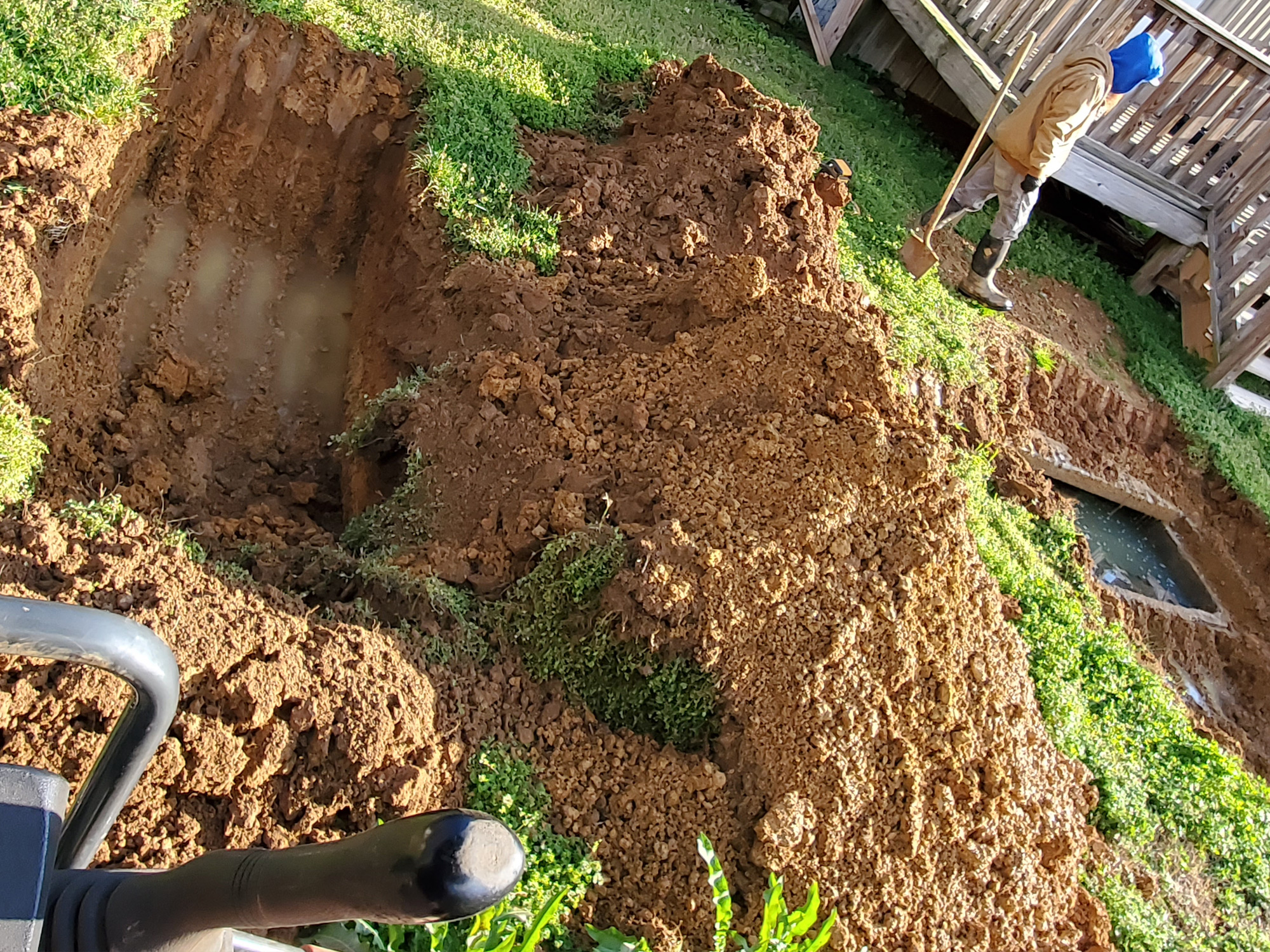
Replacing damaged sections of perforated pipe restores proper effluent dispersal throughout your network. Careful excavation affects only damaged areas, removing broken pipes and installing new components that match existing materials. Connections receive thorough sealing to prevent leaks causing wet spots and reduced treatment efficiency.

Drain line repair and clearing

Removing organic buildup and mineral deposits from pipes allows effluent to flow freely through your distribution system again. Specialized cleaning equipment navigates through pipes without causing additional damage to aging components. Root barriers installed during line repair work prevent future intrusion from trees seeking water sources.

Partial field restoration

Replacing individual drain lines or sections restores function when damage concentrates in specific areas. Installing new trenches adjacent to failed sections and connecting them to your existing distribution network works particularly well where soil conditions remain adequate. Localized problems compromise performance but don’t necessitate complete replacement.

Repair solutions offer cost-effective alternatives when your drain field’s overall design remains sound and soil conditions support continued operation with targeted improvements addressing specific failure points.

Complete Drain Field Replacement Process

Full replacement becomes necessary when repairs cannot restore adequate function or when soil has failed beyond recovery. A systematic approach handles every detail from initial planning through final regulatory approval. Efficient work minimizes the time your septic system remains out of service.

Full replacement becomes necessary when repairs cannot restore adequate function or when soil has failed beyond recovery. A systematic approach handles every detail from initial planning through final regulatory approval. Efficient work minimizes the time your septic system remains out of service.

Site evaluation and design: Identifying suitable replacement locations analyzes your property’s topography, soil types, and setback requirements from wells and property lines. Soil testing in potential areas verifies adequate percolation rates and drainage characteristics. Design specifications match your household size and water usage patterns preventing future capacity problems.

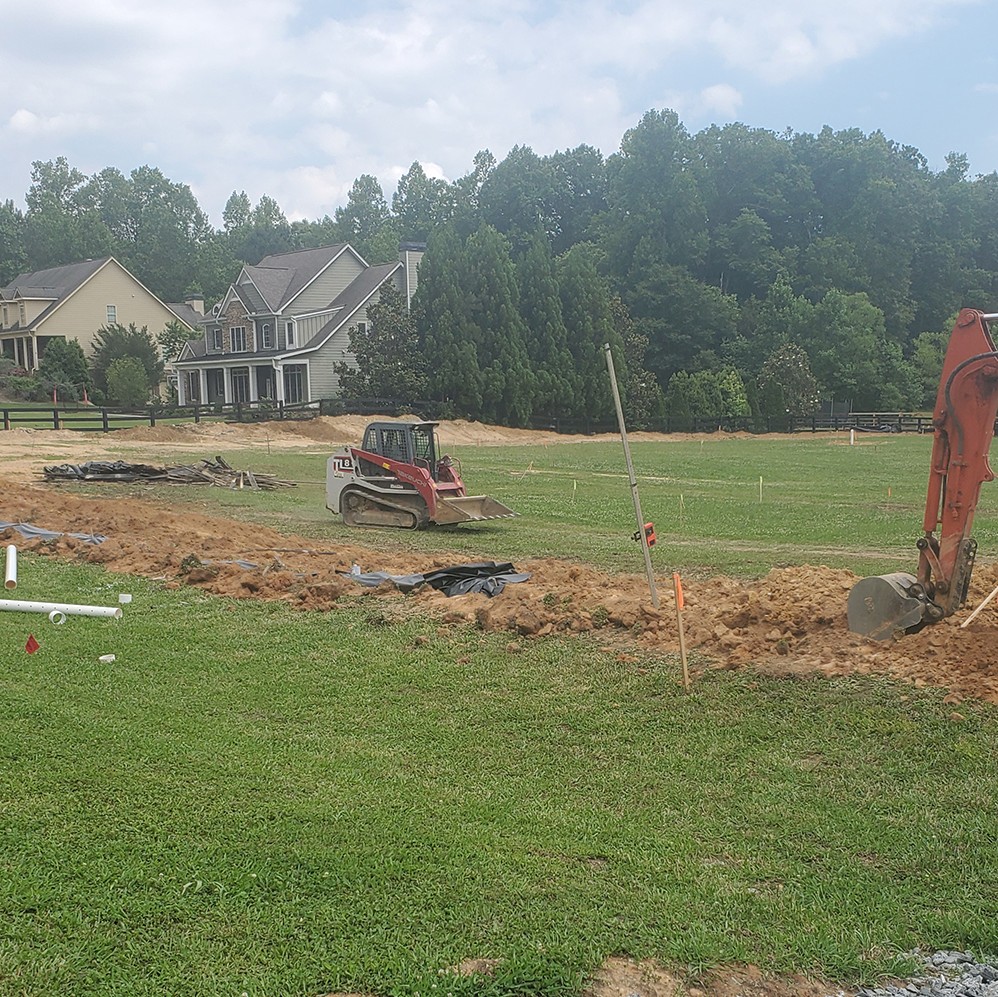
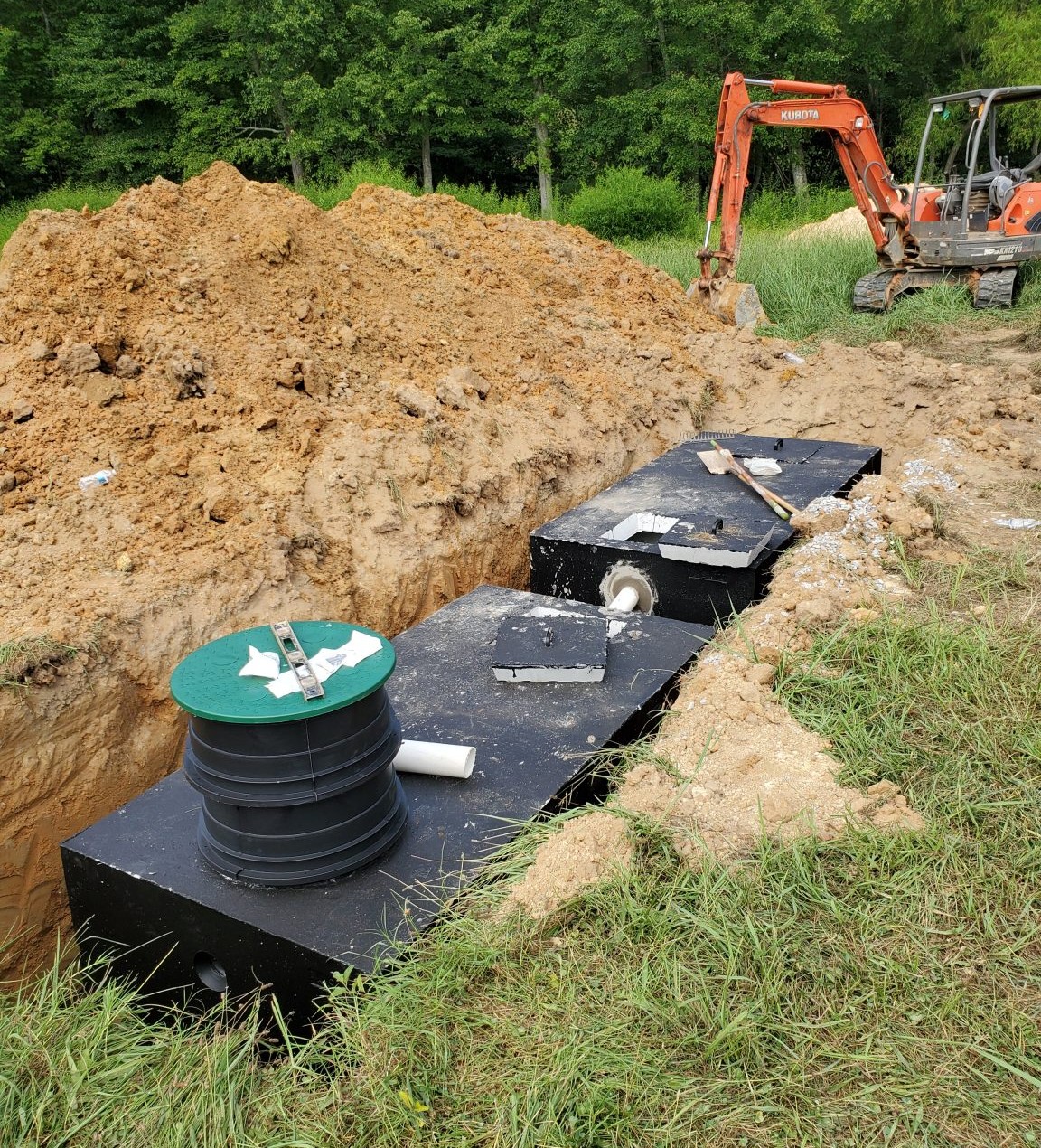
Excavation and installation: Heavy equipment removes existing components and prepares trenches at proper depths for optimal effluent distribution. Installing gravel beds creates structural support and facilitates air circulation essential for aerobic bacterial treatment. New distribution pipes receive careful positioning ensuring even flow throughout the entire field.

Testing and restoration: Completed installations undergo thorough testing verifying proper flow rates and distribution patterns before backfilling trenches. Grading surrounding areas promotes surface water drainage away from your new drain field and prevents premature saturation. Seeding and mulching help establish vegetation that stabilizes soil while avoiding deep-rooted plants.

Complete replacement creates a fresh start with modern components sized appropriately for your household needs, delivering decades of reliable service when maintained properly through regular septic tank pumping and responsible water usage.

Alternative System Technologies

Modern systems offer solutions when conventional designs cannot function due to space limitations or soil conditions common in developed areas. These alternatives use advanced treatment methods and engineered components overcoming challenges traditional systems face. Evaluating whether alternative technologies suit your specific situation helps maximize long-term performance.

Pressure distribution systems:
Specialized pumps force effluent through distribution networks under controlled pressure, ensuring even dispersal regardless of elevation changes. This approach succeeds on sloped properties where gravity-based systems cannot maintain proper flow. Timed dosing prevents soil saturation by alternating between active and resting periods.

Advanced treatment units:
Aerobic treatment systems pre-treat wastewater to higher standards before it enters the drain field, reducing the treatment burden on soil. These units use mechanical processes and additional bacterial action removing more contaminants than conventional septic tanks achieve. Enhanced treatment allows smaller drain fields where space is limited.

Low-pressure pipe networks:
Networks of small-diameter pipes deliver effluent more evenly across large areas compared to conventional drain fields. These systems adapt to irregular property shapes and challenging topography limiting other designs. Reduced excavation requirements minimize site disturbance and protect valuable trees or landscaping features.

Alternative systems expand possibilities for properties where standard replacement faces challenges, providing effective solutions meeting both regulatory requirements and performance expectations for Taylorsville residents.

Why Taylorsville Residents Trust Anytime Septic Services

Property owners throughout Taylorsville rely on Anytime Septic for drain field services because honest assessments, quality workmanship, and responsive customer service define every interaction. Building lasting relationships with customers who appreciate straightforward approaches to septic repair challenges reflects our family-owned business values. Every property receives the same careful attention.

Experience matters when dealing with complex problems affecting your home’s functionality and your family’s health. Encountering virtually every type of issue during years serving Bartow County communities allows accurate diagnosis and recommendations addressing root causes.

Local Expertise and Regulatory Knowledge

Choosing local professionals who understand Taylorsville’s unique conditions ensures your work considers all factors affecting long-term performance. Efficient navigation of local permitting requirements and established relationships with inspectors who verify work meets current standards streamlines projects. Service continues beyond installation completion—questions and support remain available.

Bartow County compliance: Regulations governing septic systems in Taylorsville GA mandate specific design standards and installation procedures. Familiarity with these requirements prevents delays and ensures your system passes all inspections. Obtaining necessary permits and coordinating required inspections handles administrative details that complicate projects.

Soil condition understanding: Years working throughout the region have revealed how different soil types throughout Taylorsville affect drain field performance. This knowledge influences design recommendations and helps predict which solutions will deliver lasting results. Approaches adapt based on your property’s specific characteristics.

Emergency response capability: Septic emergencies don’t wait for convenient times, so responsive service for urgent situations remains a priority. Quick action prevents extensive damage when sewage backs up into your home or standing water appears in your yard. Emergency calls receive priority attention with efficient work restoring your system to proper function.

Local expertise ensures your project benefits from accumulated knowledge about what succeeds in Taylorsville rather than generic approaches that may not suit your property’s specific conditions and requirements.

Quality Workmanship and Customer Satisfaction

Modern systems offer solutions when conventional designs cannot function due to space limitations or soil conditions common in developed areas. These alternatives use advanced treatment methods and engineered components overcoming challenges traditional systems face. Evaluating whether alternative technologies suit your specific situation helps maximize long-term performance.

Professional installation standards:
Technicians follow manufacturer specifications and industry best practices developed through decades of septic system evolution. Cutting corners or using substandard materials that compromise long-term reliability never happens. Each installation undergoes quality checks verifying proper depth, slope, and component positioning.

Warranty protection:
Standing behind work with warranties covering materials and labor offers peace of mind that your investment receives protection. Problems developing related to installation receive prompt attention at no additional cost. This commitment to customer satisfaction distinguishes service from competitors.

Transparent communication:
Clear explanations of problems and outlines of all available options with honest cost estimates precede any work. Surprise charges or discoveries that additional work becomes necessary after starting never occur. Straightforward approaches help you make confident decisions about your septic system.

Quality workmanship and honest service have earned Anytime Septic the trust of homeowners throughout Taylorsville who need reliable solutions for their drain field problems and septic system maintenance needs.

Protecting Your Septic Tank and Drain Field Investment

Proper maintenance extends your drain field’s lifespan and prevents premature failures that lead to costly replacements. Understanding how your daily habits affect system performance empowers you to protect this critical component of your home. Simple practices make dramatic differences in long-term reliability.

Regular Septic Tank Pumping Schedule

Maintaining a consistent pumping schedule prevents solids from entering your drain field and causing biological clogging. Most households benefit from pumping every 3-5 years depending on tank size and water usage patterns. Larger families or smaller tanks may need more frequent service.

Accumulated sludge reduces the settling time wastewater has in the tank before entering the drain field. Solids escaping into distribution pipes create blockages and accelerate biomat formation in the soil. Regular pumping removes these materials before they compromise your entire system.

Professional inspection during pumping appointments identifies potential problems before they escalate. Technicians check baffles, inlet and outlet pipes, and overall tank condition while removing accumulated waste. Early detection of cracks or component failures prevents emergency situations.

Water Conservation Practices

Reducing overall water usage decreases the volume your drain field must process daily. High-efficiency fixtures, shorter showers, and full loads for dishwashers and washing machines all contribute to system longevity. Spreading water usage throughout the day rather than concentrating it during peak times allows soil adequate recovery.

Excessive water overwhelms the drain field’s treatment capacity and saturates soil beyond its absorption threshold. Continuous saturation prevents aerobic bacteria from breaking down contaminants effectively. The ground needs periods between wastewater applications to process effluent properly.

Repairing leaky faucets and running toilets eliminates constant water flow that stresses your septic system unnecessarily. Even small leaks add thousands of gallons annually that your drain field must handle. Prompt repairs protect system components and reduce operating costs.

What Our Clients Say

Here at Anytime Septic, we’re committed to serving our customers with top-notch customer service. We’re extremely proud of our team. Check out what our customers say.

Based on 50+ Verified Google Reviews

Was quoted $6k by the pink ppl! Anytime Septic came out and did the repair for $1,700! They were very friendly and knowledgeable.

Sam Fallis

We called early this morning to get our tank pumped. Austin showed up same day couple hours later! He was very easy to talk with, take care of our issues, and explain things to us so we could understand. Excellence service and he really took care of us. Thank you Austin you saved the day for me and my family our hero!

Justine Sturzione

Jason and his associate did such a great job scheduling a next day septic tank service! I called with concerns and they came out the following day. They were very quick and responsive via text for any questions I had. Upon arrival they were done within a half hour and left very little trace. I recommend them 100%!

Kaylee Renee

Frequently Asked Questions About Drain Field Repair in Taylorsville

Repair costs vary based on the extent of damage and the specific repairs needed. Simple line repairs typically cost less than partial field restoration or complete replacement. Detailed estimates follow thorough system inspection to identify the exact problems affecting your property.

Most complete drain field replacements take 2-4 days depending on system size, soil conditions, and site accessibility. Weather can extend timelines if heavy rain makes excavation unsafe or impractical. Efficient work minimizes disruption to your household while ensuring quality installation.

Common causes include excessive water usage overloading the system, lack of regular septic tank pumping allowing solids into the drain field, root intrusion from nearby trees, soil compaction from vehicles driving over the field, and age-related deterioration of components. Clay-heavy soils in Taylorsville can also contribute to faster biomat formation.

Most households should pump their septic tank every 3-5 years depending on tank size and water usage. Regular pumping prevents solids from entering the drain field, which causes premature clogging and failure. Consistent maintenance significantly extends drain field lifespan and prevents costly repairs.

Key indicators include standing water or soggy areas above the drain field, sewage odors in the yard, slow drains throughout your home, sewage backing up into fixtures, unusually green or lush grass over the field, and gurgling sounds in your plumbing. Any of these symptoms warrant immediate professional evaluation.

Most homeowners insurance policies exclude septic system repairs and replacements from coverage, considering them maintenance issues rather than sudden damage. Review your specific policy or contact your insurance provider to understand your coverage. Some policies may cover damage if it results from a covered event like a fallen tree.

Properly designed and maintained drain fields can last 20-30 years or longer. Lifespan depends on soil conditions, system design, household water usage, and maintenance practices. Regular septic tank pumping and responsible water usage significantly extend drain field life.

Never build structures, pour concrete, or park vehicles over your drain field, as compaction destroys soil treatment capacity. Avoid planting deep-rooted trees or shrubs near the field, as roots will invade pipes seeking water. Grass is the ideal vegetation for drain field areas, providing erosion control without threatening system integrity.

Yes, emergency service for urgent septic system problems including drain field failures causing sewage backups or flooding remains available. Contact us immediately if you’re experiencing a septic emergency, and your situation will receive priority attention to prevent further damage to your property.

Contact Anytime Septic for Expert Drain Field Services

Protect your Taylorsville home with professional drain field repair and replacement services or sewer conversions from the team homeowners trust. Anytime Septic brings years of experience, honest assessments, and quality workmanship to every project undertaken. Don’t wait for minor problems to become major emergencies.

Schedule your comprehensive system inspection today to determine exactly what your drain field needs. Technicians will evaluate your entire septic system, explain findings clearly, and recommend the most appropriate and cost-effective solution for your specific situation. Efficient work restores proper function while minimizing disruption to your daily life.

Contact Anytime Septic now for reliable leach field repair Taylorsville GA residents depend on when drain field problems threaten their property and peace of mind. Commitment to customer satisfaction and quality service has made us the preferred choice for septic services throughout Bartow County.